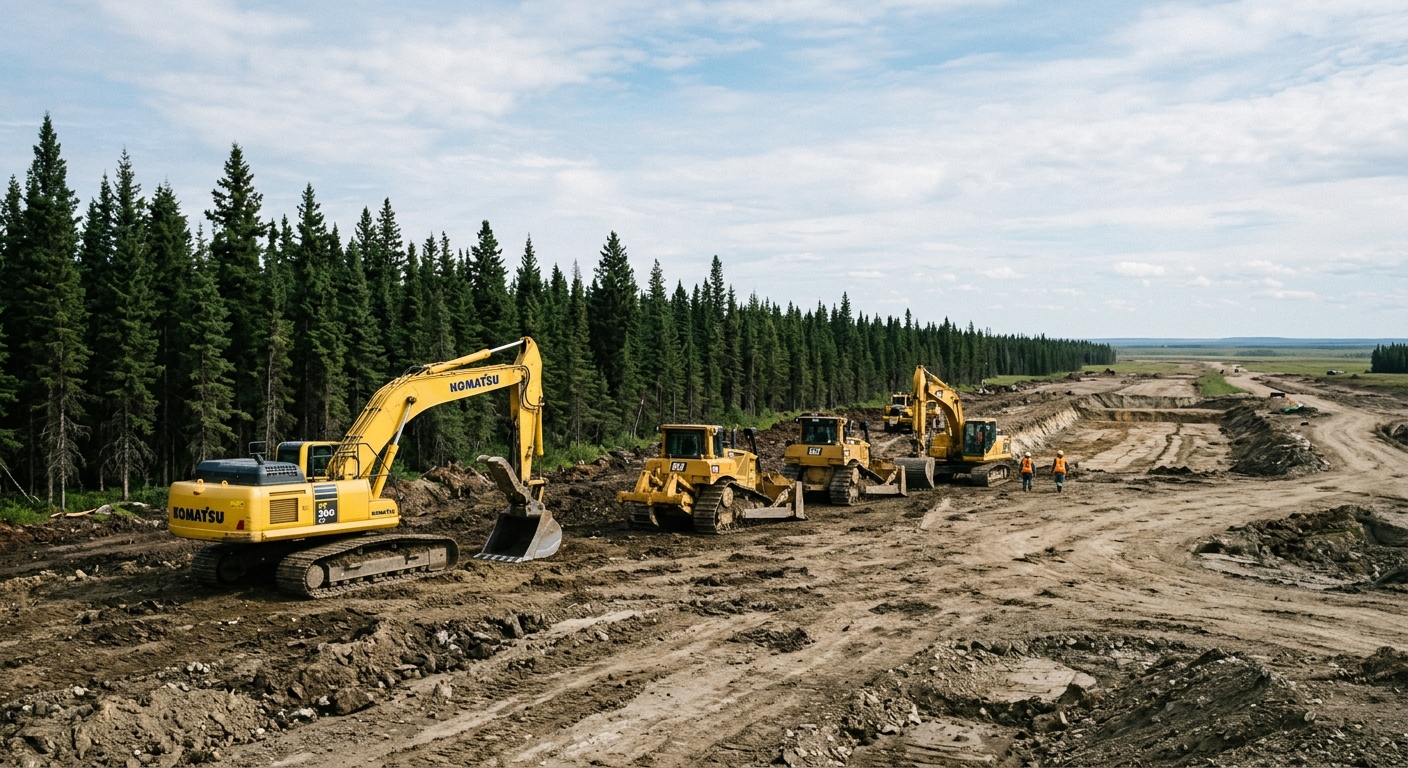
AI-generated illustration; not a photograph of the reported event.
- calendar_today October 9, 2026
Bill C-39 Clears First Parliamentary Hurdle
Bill C-39, a pivotal component of Prime Minister Mark Carney’s economic strategy, passed its first vote in the House of Commons on Thursday. The legislation, backed by the majority Liberals and supported at this stage by the Conservatives, has now been sent for further scrutiny by a special parliamentary committee.
Key Components of the Proposed Legislation
The 243-page bill proposes to extend the government’s ability to fast-track major infrastructure projects—commonly referred to as major projects—across Canada. The aim is to streamline the project approvals process by mandating a single review for each project, to be completed within one year, rather than the current multiple and often lengthy reviews.
This move is part of a broader plan to reposition the Canada economy, making it less reliant on U.S. markets and more appealing to international partners by demonstrating reliability and predictability in delivering large-scale infrastructure projects.
Parliament Committee to Study Bill C-39
The bill will be examined by a special 11-member parliamentary committee composed of representatives from the Liberals, Conservatives, and Bloc Québécois. The Liberals hold the majority of seats. Notably, the New Democratic Party (NDP) and Green Party are excluded due to procedural rules, a decision both parties criticized.
NDP House leader Don Davies and Green Party Leader Elizabeth May voiced concerns about limited representation and the committee process. Davies described the move as "fundamentally undemocratic," while May questioned the bill's impact on accountability and transparency.
Debate Over Indigenous Consultation and Workers' Rights
The legislation has drawn sharp criticism from opposition leaders and advocacy groups, particularly regarding indigenous consultation and workers' rights. NDP Leader Avi Lewis argued that Bill C-39 should be scrapped, citing insufficient consultation with Indigenous communities and the extent of the changes proposed. Chief Shelly Moore-Frappier of the Teme Augama Anishinabek nation also raised concerns, calling for amendments to require indigenous consent and better address environmental legacies of resource development.
There were additional calls to adjust provisions relating to the Canada Labour Code. The Canadian Labour Congress president Bea Bruske characterized the bill as an attack on workers' bargaining rights and criticized proposed rules granting ministers the power to intervene in strikes if the "national interest" is at stake.
Conservative Party's Proposed Amendments
Conservative Leader Pierre Poilievre stated his party supported advancing the bill to committee in order to propose changes. Among his priorities are shortening the project review period to six months to a year, protecting workers’ rights, and eliminating the industrial carbon price. Poilievre also advocated for creating “shovel-ready zones” with pre-permitted development status. He asserted that Indigenous peoples broadly support expedited project development and economic participation in major projects.
Environmental and Legal Pushback
Environmental organizations and some Liberal MPs have expressed concern that the streamlined approval process could threaten environmental protections and compromise obligations for thorough indigenous consultation. Liberal MP Patrick Weiler warned that the bill’s provisions to fast-track timelines might undermine the government’s duty to properly consult and accommodate Indigenous groups.
The same day as the parliamentary vote, Cold Lake First Nations filed for judicial review in Federal Court, arguing Ottawa’s decision to designate the Pacific Link pipeline a national interest project happened without adequate consultation.
Next Steps for Bill C-39
With its passage at second reading, Bill C-39 now moves to the special committee for further examination. Amendments from all included parties are expected, particularly on issues of indigenous consent, environmental oversight, and workers’ rights. The federal government maintains it can uphold its consultation obligations and workers’ rights within the framework of the proposed legislation.
Source: cbc.ca.