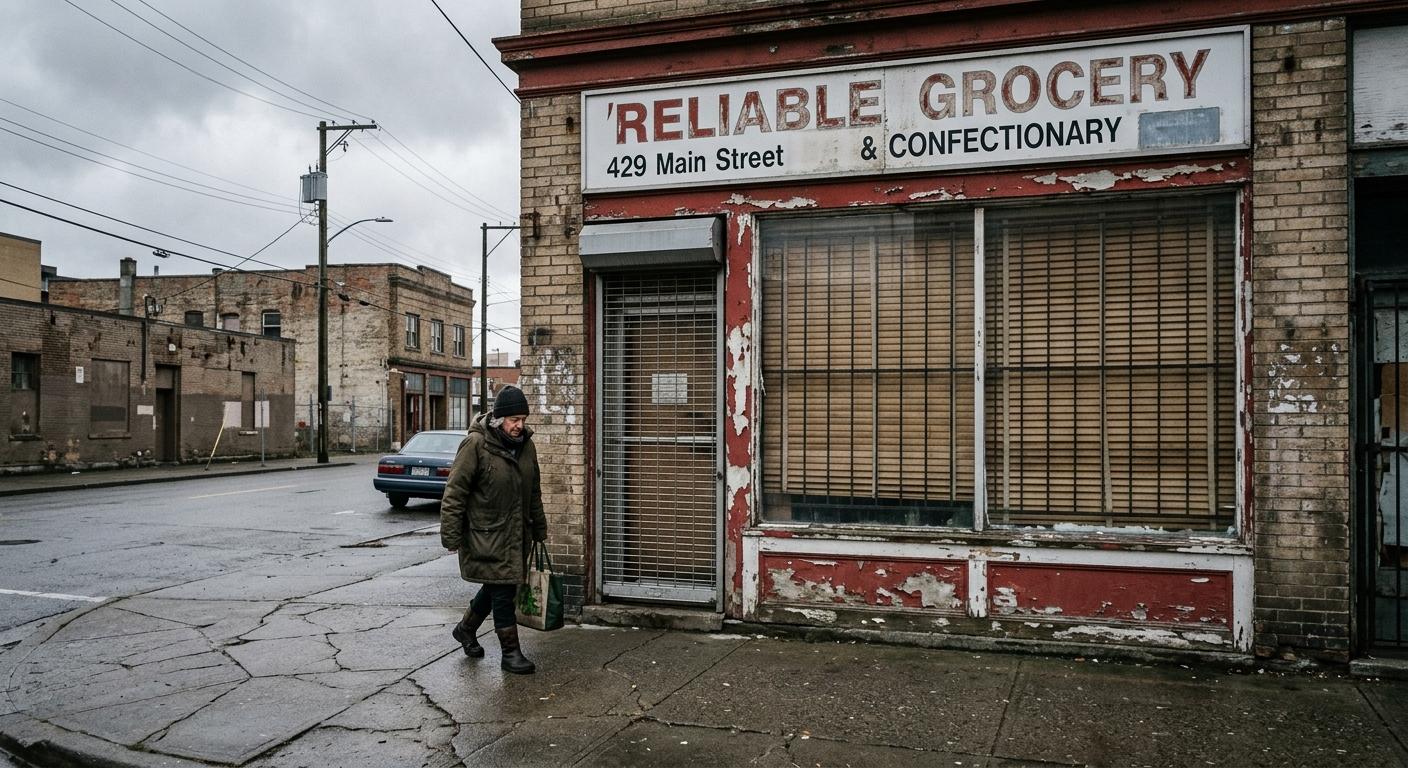
AI-generated illustration; not a photograph of the reported event.
- calendar_today October 10, 2026
Personal Experiences Shape Views on Alberta Separatism
Calgary resident Matthew Morin’s daily life has become increasingly precarious—a reality that has reshaped his views on Alberta separatism. Observing firsthand the struggles facing his community, Morin describes a growing sense of frustration and disconnection from political leadership at both provincial and federal levels.
Downtown Calgary Reflects Widening Social Precarity
Morin recounts an evening spent waiting for the C-train on 8th Street in downtown Calgary. He describes witnessing a drug overdose, police detaining a woman, and being mistaken for a drug dealer—all against the backdrop of official statistics claiming that violent crime is down. To Morin, this disparity illustrates a system out of touch with everyday experiences. He notes, "Welcome to the world of hypernormalization — where systems are broken, statistics don't reflect the lived reality and politicians carry on as if it's acceptable."
Economic Hardship and Public Services Crisis
The sense of instability isn’t limited to public safety. Morin points to close friends struggling to find employment, the rising cost of essentials like meat and fresh produce, and abandoned plans for homeownership. Working in the health sector, he observes shelters at capacity, long waitlists for programs, and underfunded services for the vulnerable—evidence, he argues, of a broader public services crisis and economic hardship in Alberta. This, combined with frustration over how a drug and mental health crisis is handled by politicians and corporations, fuels the sense that ordinary Albertans are left to manage escalating challenges on their own.
Political Disillusionment and the Roots of Separation Debate
When the idea of Alberta independence first came up, Morin saw it as a call for more provincial autonomy. He references Premier Danielle Smith’s Sovereignty Within a United Canada Act as an initial attempt to address discontent. However, he believes recent years have only deepened dissatisfaction, citing a lack of meaningful improvement in daily life. Morin also identifies the COVID-19 pandemic as a turning point. Policies such as vaccine passports, restrictions on outdoor activities, the freezing of protesters’ bank accounts, and perceived inconsistencies in enforcement contributed to a widespread feeling of political disillusionment and limited influence among average citizens.
Pandemic's Lasting Impact and Blurred Lines Between Anger and Separatism
The pandemic’s impact persists, according to Morin. He highlights ongoing debates over cultural and social issues as distractions from the core struggles faced by most Albertans: affordability, safety, and economic security. Government reassurances of economic stability mean little, he notes, when living costs remain high and wages stagnant. Morin observes that most people he knows are not firm separatists, but many are increasingly angry. For many, the boundary between anger with the status quo and engagement with the separatist movement is becoming less distinct.
Skepticism Toward Movement Leaders and Looking Forward
Morin has followed separatist figures on social media, only to find that some of their rhetoric—marked by conspiratorial claims and exclusionary content—reinforces his skepticism. He acknowledges, however, leaders like Keith Wilson, who focus on the material struggles of Albertans, can occasionally resonate with him. Going into the upcoming Alberta referendum on October 19, Morin anticipates that a strong vote for either side won’t end the conversation about separation, as the underlying anger is significant. For now, he and others continue to seek hope amid the ongoing debate and uncertainty in Alberta.
Source: cbc.ca.