
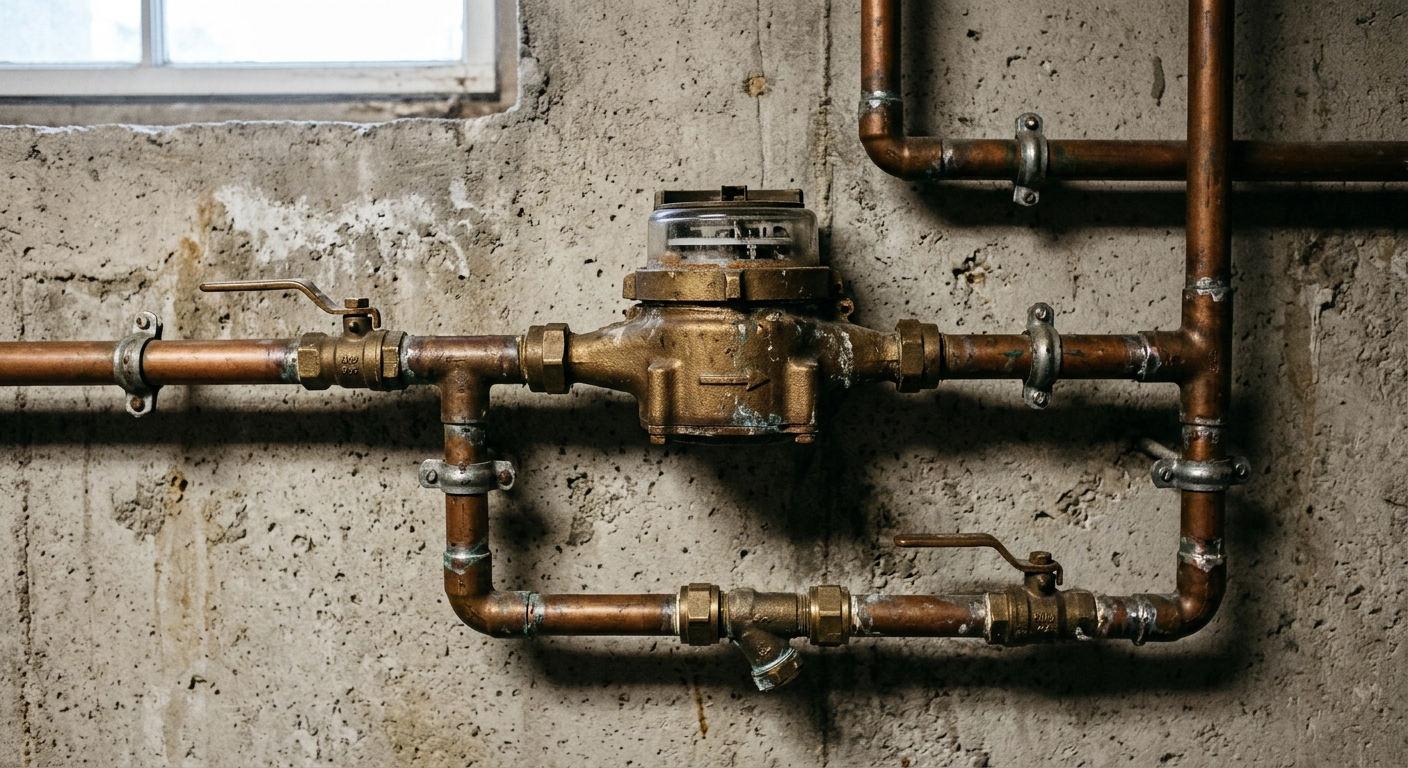
AI-generated illustration; not a photograph of the reported event.
- calendar_today October 28, 2026
Calgary City Council Votes for Major Water Rate Increases
On Tuesday, Calgary city council voted 9-6 in favor of raising water rates for residents and businesses annually over the next four years. The approved plan will see residential water rates increase by 74% and business rates by 86% over the period, all aimed at addressing pressing needs with the city’s water infrastructure.
Monthly Bills Set to Rise Significantly by 2030
According to city officials, the average residential customer will see their water bill climb by approximately $90 more per month by the year 2030. The increases will phase in gradually: residential customers will pay about $14.50 more per month in 2027, $20.05 more in 2028, $24.48 more in 2029, and $28.70 more in 2030.
Breakdown of Approved Water Rate Hike
The rate hikes break down as follows for the years 2027 to 2030:
- Drinking water rates: up 19.9% per year
- Wastewater rates: up 15.2% per year
- Stormwater rates: up 5.8% per year
City officials stress that the increases are necessary to repair and maintain Calgary’s stormwater and wastewater systems, which Mayor Jeromy Farkas described as “on the verge of collapse.” The mayor acknowledged that the end to a 10-year freeze on water bills will be disappointing but said that postponing investment would lead to the risk of future water service disruptions, emergencies, and higher overall long-term costs.
City Leaders Split Over Decision
Discussion at city council revealed divided opinions. Ward 1 Councillor Kim Tyers voted against the proposal, arguing the decision places too large a burden on residents without exploring alternative funding options. "I think that it's very premature at this point to just say, 'Well, Calgarians can just, you know, eat this massive increase without us doing the work first,'" Tyers stated.
In contrast, Ward 8 Councillor Nathaniel Schmidt and Ward 5 Councillor DJ Kelly both said they saw "very little alternative option" to the increases, noting that no viable alternatives were proposed during council debate.
The new rates will not be finalized until council approves next year’s budget in November. An amendment passed requiring regular review of the rates should new provincial or federal funding become available, potentially allowing for reductions in the planned increases.
Concerns from Calgary Businesses
The increases are expected to nearly double the water rates for many local businesses, prompting pushback from business owners and associations, particularly in the hospitality sector.
Ernie Tsu, president of the Alberta Hospitality Association and owner of Trolley 5 brewery, called the measure "crushing" for businesses whose profit margins are already thin. Blair Berdusco, executive director of the Alberta Small Brewers Association, warned that the hike may force breweries to close taprooms, leave the city, or shut down altogether, despite recognition of the city’s infrastructure needs.
Laundromat owners like Aaron Wyman echoed these concerns, noting that their businesses rely on water and already operate on tight margins. "If the water goes up 50 per cent, our rates will have to go up to compensate for it because we can't absorb it," Wyman said.
Background and Next Steps
Earlier this month, city officials reported Calgary needs $6.5 billion to address ongoing water infrastructure needs. They argue that delays in investment would drive up risks and costs in the future. The forthcoming budget vote will determine the final implementation of the proposed rate schedule, giving residents and businesses a small window to provide further input.
The decision underscores renewed pressure on city leaders to balance vital infrastructure improvements with the financial pressures faced by residents and business owners alike. Ongoing reviews may bring changes if new funding emerges in the coming years.
Source: cbc.ca.





