- calendar_today August 9, 2025
As the trade dispute between the United States and China escalates in 2025, its effects are reaching beyond the two nations to impact economies worldwide—including Alberta’s. Known for its energy resources, agriculture, and growing manufacturing sectors, Alberta faces unique challenges amid the ongoing tariff increases, retaliations, and supply chain disruptions.
The U.S. has imposed tariffs up to 54% on a wide range of Chinese goods, including electronics, automotive parts, and machinery. China’s countermeasures include tariffs on U.S. exports and restrictions on rare earth mineral shipments crucial to advanced technology and clean energy production. These developments have heightened volatility in global markets and created uncertainty for Alberta investors and businesses alike.
Alberta’s Economic Exposure
Alberta’s economy is deeply tied to global trade, with key sectors vulnerable to the recent U.S.–China trade escalation.
Energy Sector
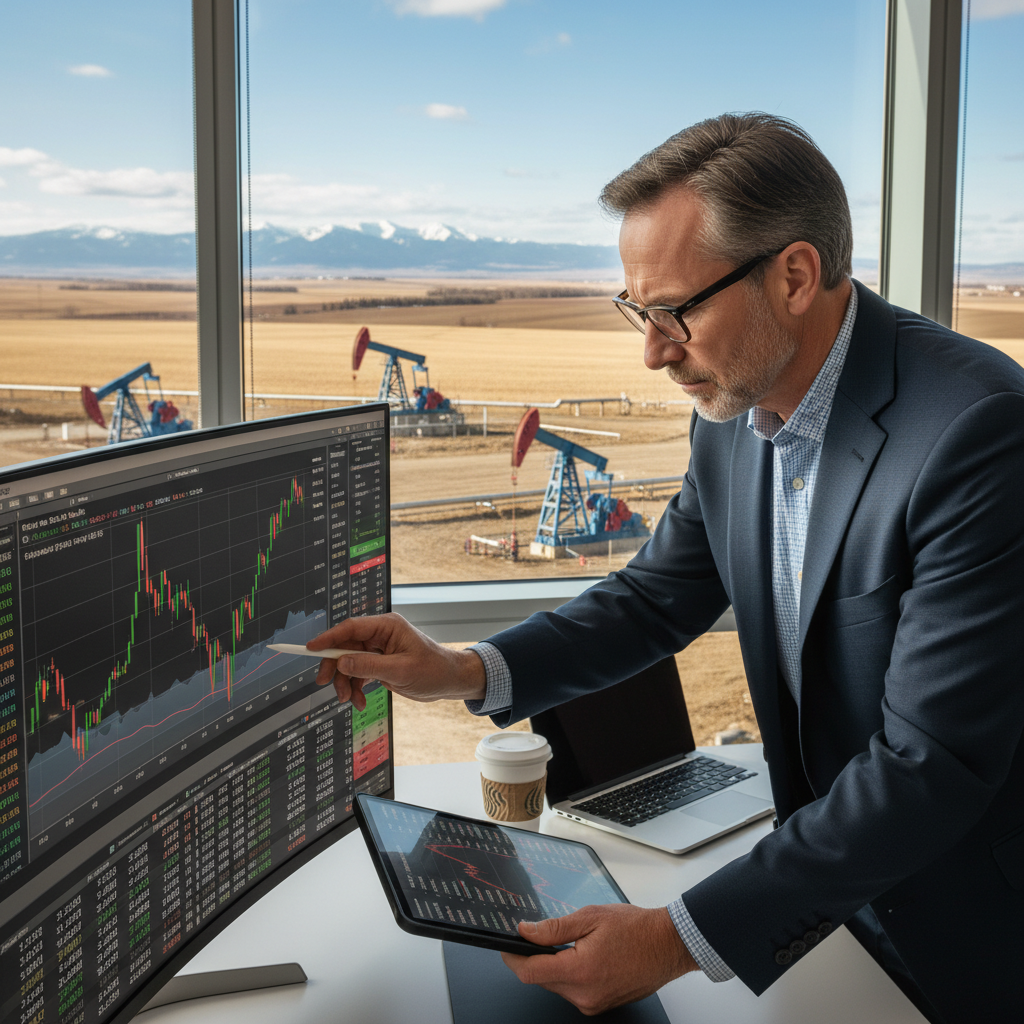
Alberta is Canada’s energy powerhouse, primarily through oil and natural gas production. While energy exports are not directly subject to tariffs, global economic uncertainty has led to price fluctuations impacting investment and production plans. Moreover, rare earth mineral restrictions may affect emerging clean energy initiatives in the province.
Agriculture and Food Exports
Alberta’s agricultural industry—including beef, grains, and pulses—is export-oriented. China’s tariffs on U.S. agricultural products and shifting demand patterns could indirectly pressure Alberta’s farmers by altering global commodity prices and market access.
Manufacturing and Technology
Alberta’s manufacturing base, particularly in machinery and technology sectors, depends on global supply chains. Tariffs on components and delays in acquiring rare earth minerals could increase costs and hinder production efficiency.
Strategies for Alberta Investors
Given the evolving trade landscape, investors in Alberta may consider the following approaches:
- Diversify Portfolio Exposure:
Reducing concentration in trade-exposed sectors while increasing holdings in domestic services, infrastructure, and utilities may help reduce risk. - Explore Alternative Investments:
Commodities such as oil, natural gas, and agricultural products, alongside real estate investment trusts (REITs) and inflation-protected bonds, can provide effective hedges. - Monitor Market and Policy Updates:
Staying abreast of trade negotiations, government programs, and earnings reports is critical for informed portfolio adjustments. - Focus on Clean Energy and Innovation:
Investing in companies positioned to benefit from clean energy transitions and reshoring manufacturing efforts could offer growth potential.
The ongoing U.S.–China trade tensions emphasize the fragility of interconnected global markets. Alberta’s diversified economy provides resilience but requires vigilance and adaptability.
Investors who balance risk with diversification and remain informed about evolving trade policies and economic trends will be better positioned to protect their portfolios and identify opportunities in Alberta’s dynamic economy.