- calendar_today August 9, 2025
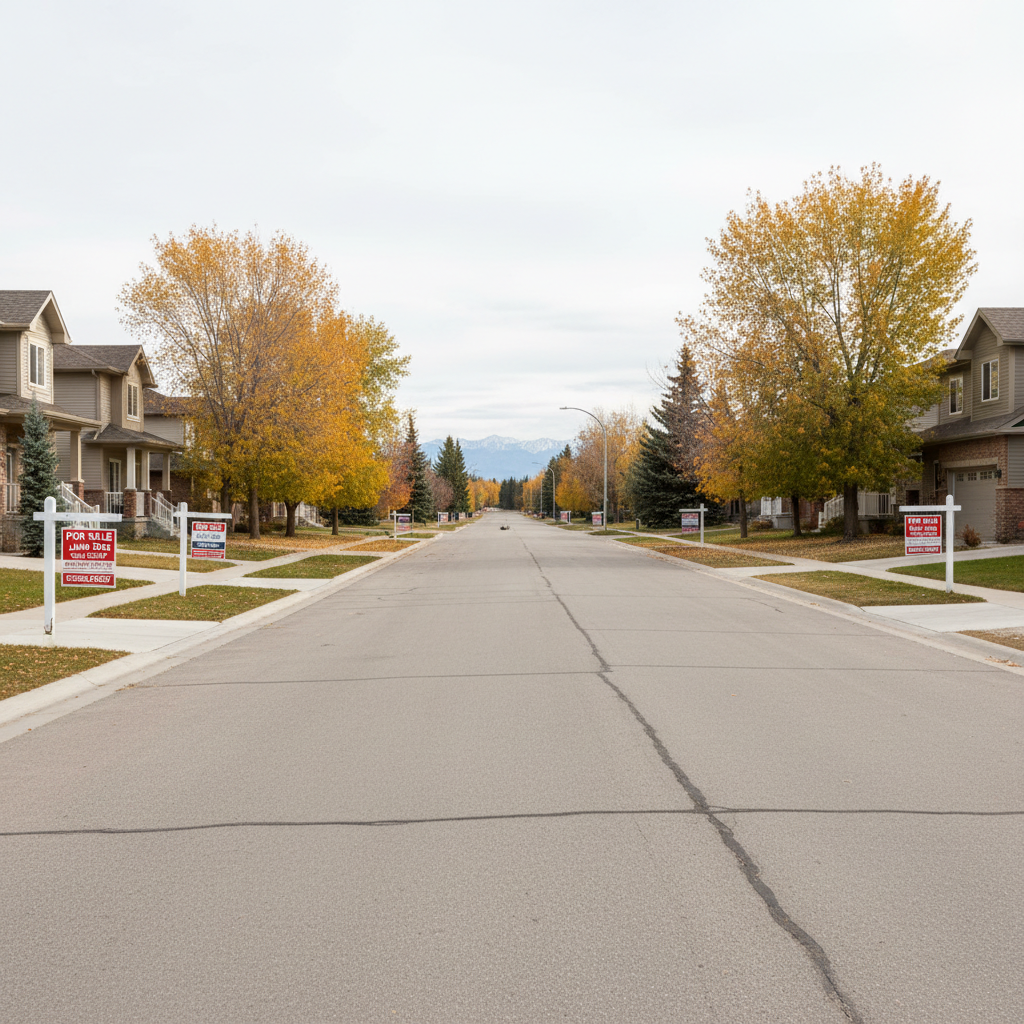
In 2025, Alberta’s housing market has hit a significant pause. Once a hotbed of real estate activity fueled by migration, economic optimism, and moderate affordability, the province is now facing a widespread market freeze. From Calgary to Edmonton and the smaller towns in between, real estate agents are reporting fewer listings, longer days on the market, and cautious buyers.
This deceleration isn’t due to a housing crash or panic selling—but rather a confluence of cooling economic indicators, shifting demographics, and broader national housing challenges. While Alberta’s market is still relatively affordable compared to provinces like British Columbia or Ontario, the pace of home buying has slowed dramatically.
1. Higher Mortgage Rates Hit Alberta’s Middle Class
One of the key factors behind Alberta’s market freeze is the sustained increase in mortgage interest rates. After a series of hikes between 2022 and 2024, rates have remained stubbornly high into mid-2025, with five-year fixed mortgages hovering around 6%.
These elevated borrowing costs have priced out many first-time buyers and discouraged move-up buyers. According to the Alberta Real Estate Association (AREA), the average monthly payment for a new mortgage on a detached home in Calgary or Edmonton has increased by nearly 40% compared to just two years ago.
With less purchasing power, prospective homeowners are waiting on the sidelines for rates to drop—an expectation that has not yet materialized in the current economic climate.
2. Inventory is Tight, But So Is Demand
Another strange twist in Alberta’s housing freeze is the low level of inventory. Normally, fewer listings would create upward pressure on prices, but that hasn’t been the case in 2025. In many neighborhoods, especially in Edmonton and Red Deer, homes are sitting longer despite reduced supply.
This is due to an equally significant drop in buyer demand. With inflationary pressures and economic concerns impacting consumer confidence, buyers are hesitant to make large financial commitments.
Sellers, on the other hand, aren’t eager to list either. Many would-be sellers are holding onto low-interest mortgages from earlier years and are reluctant to trade up into more expensive loans.
3. Calgary and Edmonton: A Tale of Two Cities
In Calgary, the 2025 slowdown is more of a deceleration than a collapse. The city’s strong tech and energy sectors continue to attract new residents, particularly from other provinces, which is keeping certain neighborhoods stable. However, price growth has stalled, and bidding wars—common just two years ago—have disappeared.
In contrast, Edmonton’s market is facing steeper headwinds. The capital city has seen a more notable drop in home prices, particularly in the condo segment, where oversupply remains an issue. Many developers are delaying new projects due to the lack of presales, further contributing to the cooling effect.
4. Migration Is Slowing Down
For much of the early 2020s, Alberta benefitted from a surge in interprovincial migration. Families and young professionals fleeing high prices in Ontario and British Columbia flocked to Alberta’s more affordable cities. This influx kept demand strong even as interest rates rose.
But in 2025, that migration wave has slowed considerably. Rising mortgage costs are no longer limited to expensive cities—affordability is now a concern even in traditionally budget-friendly Alberta. Furthermore, remote work flexibility has narrowed, prompting some to return to central urban areas in other provinces.
This reduction in population growth is now contributing to stagnating demand in both urban and rural areas.
5. New Construction Stalls
Alberta’s homebuilders are also feeling the effects of the market freeze. New construction starts have declined sharply in 2025, particularly in single-family homes and suburban developments.
Developers cite rising material costs, labor shortages, and diminished buyer interest as the key reasons for delaying projects. This contraction in new builds could further tighten inventory in the long term, but for now, the pause is contributing to the overall cooling.
The Canada Mortgage and Housing Corporation (CMHC) has reported a 25% decline in housing starts year-over-year for Alberta, the sharpest drop among all provinces in the first half of 2025.
6. Rural Alberta Isn’t Immune
Historically, smaller towns in Alberta have remained somewhat insulated from national real estate trends. But in 2025, rural regions like Lethbridge, Grande Prairie, and Medicine Hat are also experiencing stagnation.
Although these areas still offer lower home prices, limited job opportunities, and tighter credit conditions are making buyers cautious. Listings are sitting on the market for months, and in some cases, sellers are choosing to rent rather than sell at reduced prices.
7. Investors Are Backing Off
Alberta’s investment-driven real estate activity has also pulled back. The province had become a haven for investors from Vancouver and Toronto seeking higher returns on rental properties. But with provincial rent controls tightening and interest rates high, many are reevaluating their portfolios.
The result? A noticeable decline in investor demand, particularly in high-rise condos and duplex properties in cities like Calgary and Edmonton.
Looking Ahead: Will the Market Thaw in Late 2025?
While there’s no widespread panic in Alberta’s housing market, the chill is undeniable. Buyers are cautious, sellers are hesitant, and developers are scaling back. What lies ahead for the remainder of 2025?
Experts suggest a few possible outcomes:
- If mortgage rates decline later this year, pent-up demand could trigger a modest rebound.
- If rates remain high, the freeze may persist well into 2026, particularly in Edmonton and rural areas.
- A renewed push for housing supply from the provincial government may help alleviate long-term affordability issues, but won’t thaw the market immediately.
For now, Alberta’s housing market sits in limbo—neither hot nor crashing, but undeniably cold.
Final Takeaway
Alberta’s 2025 housing market freeze is a product of high interest rates, shrinking migration, and economic caution. While cities like Calgary maintain some resilience, the province as a whole is witnessing slower transactions, fewer listings, and declining buyer urgency.
Whether this freeze is a temporary pause or the beginning of a more prolonged correction will depend on national economic policy and local sentiment. One thing is clear: Alberta’s real estate market is no longer moving at the speed it once was.