- calendar_today August 13, 2025
Price Hike Expected to Impact Vehicle Affordability in the Province
Introduction
India’s top car manufacturer, Maruti Suzuki, has announced a 4% hike in vehicle prices from April 2025 as a result of increasing input costs. While this hike is aimed mainly at the Indian market, its effects ripple far beyond, reaching even Alberta, whose motor vehicle industry is a pillar industry in the economy.
Dealerships, industry watchers, and regular car buyers across the province are now reconsidering their options due to concerns regarding the affordability of automobiles, stability of the supply chain, and shifting market forces.
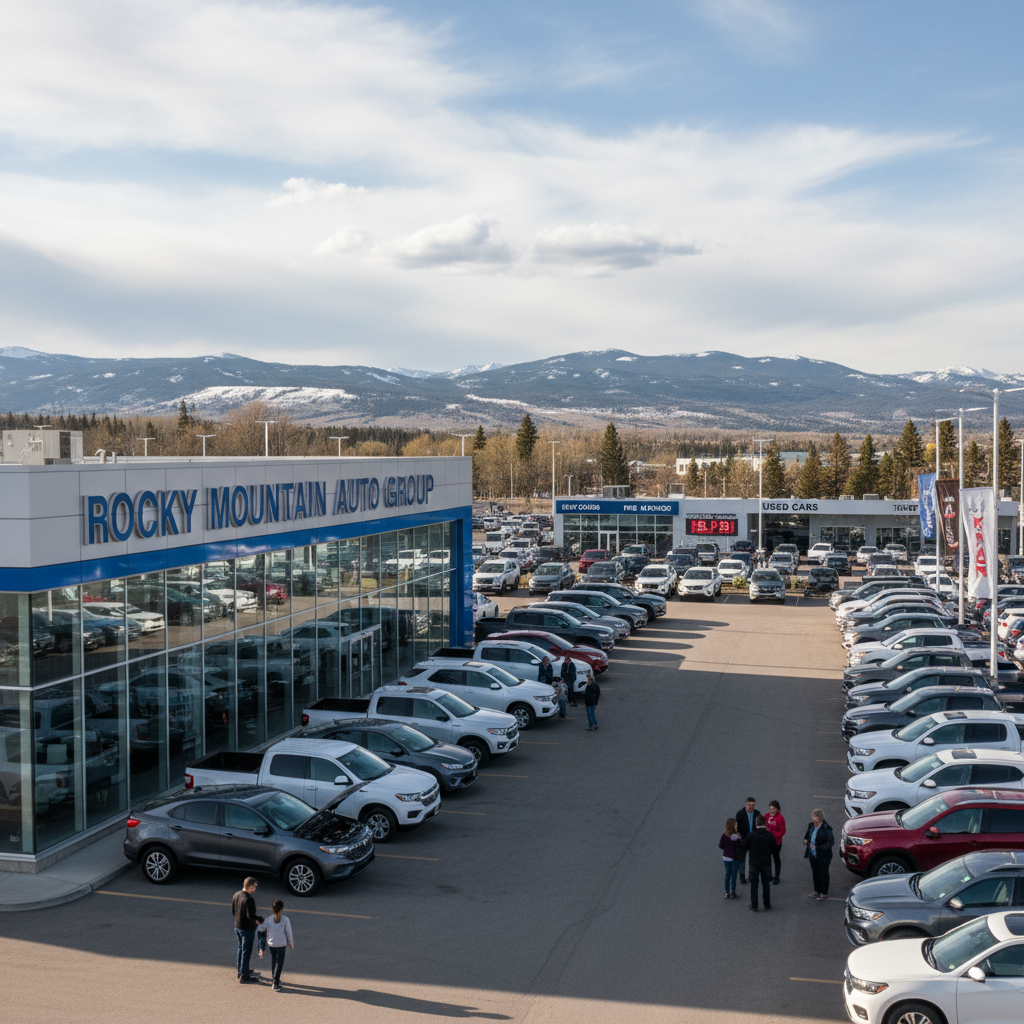
Impact on Alberta’s Auto Market
Being part of Canada’s economically active west, Alberta’s auto market is gearing up for potential effects resulting from global automotive trends.
1. More Expensive Vehicles
The rising material and shipping costs around the world could spill over into Alberta retail prices for cars, especially on imported models. While Maruti Suzuki vehicles are not usually seen in Canada, the same across-the-board hikes by world manufacturers are bound to follow suit—i.e., increased prices on new and used cars.
2. Dealer Adjustments and Specials
As a way to maintain competitiveness, regional dealerships would begin to revise their financing programs, trade values, and rebate programs in ways that reduce car prices. Long-term loan offerings, lower rates, and the bundling of services are among some of the innovative suggestions which may be more common.
3. Supply Chain Pressures
Alberta’s auto industry, which relies on a blend of domestic production and imports, could feel the pinch of increased logistics and materials costs. This may lead to longer delivery timelines or reduced vehicle inventory at local lots, especially for high-demand models.
Reasons Behind the Price Hike
Maruti Suzuki’s pricing shift is emblematic of broader, global trends in the automotive sector. The key drivers behind these changes include:
– Rising Raw Material Costs
Commodities like steel, aluminum, and plastic, so crucial in car production, have seen dramatic cost increases because of demand and supply imbalances in the market.
– World Inflation
Every country across the globe, including Canada, is experiencing the impact of inflation, which has raised production costs, shipping fees, and thus the entire motor vehicle supply chain.
The lingering effect of the pandemic, combined with geopolitical tensions and shortages of containers, has caused disruptions and placed hefty cost burdens on global automakers.
How Alberta is Responding
Alberta’s consumer market and auto industry are responding with resilience and adaptability despite difficulties.
– Consumers Seeking Alternative Brands
With higher prices across the board, many Albertans are now resorting to brands that offer greater value or discounts. This involves buying from local dealerships, used cars, and even electric or hybrid vehicles that qualify for provincial and federal rebates.
– Dealerships Enhancing Financing Flexibility
In order to maintain volume of sales and customer satisfaction, Alberta dealerships are offering extra customized payment plans, lease terms, and trade-in rebates aimed at cushioning the impact of increased vehicle prices.
– Analysts Monitoring Consumer Trends
Market analysts are closely observing how these price movements affect purchasing habits—such as a potential used vehicle sales spike, extended car life cycles, and increased interest in financing deals.
Alberta’s Auto Industry Future Outlook
Although Maruti Suzuki’s move may appear distant geographically, it underscores a global shift that will continue to influence Alberta’s automotive market in 2025 and beyond.
The province’s car industry is expected to:
- Embrace digital car shopping and flexible financing models
- Strengthen relationships with local and North American suppliers
- Focus on energy-efficient and electric vehicle offerings
- Continue lobbying for government incentives to offset rising costs
With a population keen on mobility and affordability, Alberta is well-positioned to weather this transition through strategic innovation and consumer-focused policies.
Conclusion
Maruti Suzuki’s 4% price hike is more than a regional decision—it’s a signal of broader trends that are reverberating through global and local automotive markets, including Alberta. As vehicle affordability becomes a top concern, consumers and dealerships in the province are making informed, strategic moves to adapt.
With sharp market awareness and a readiness to change, Alberta’s automotive sector is ready to meet the challenge head-on—balancing rising costs with innovative solutions and continued commitment to vehicle affordability for every Albertan.