
- calendar_today September 2, 2025
A New Era for Alberta’s Logistics Environment
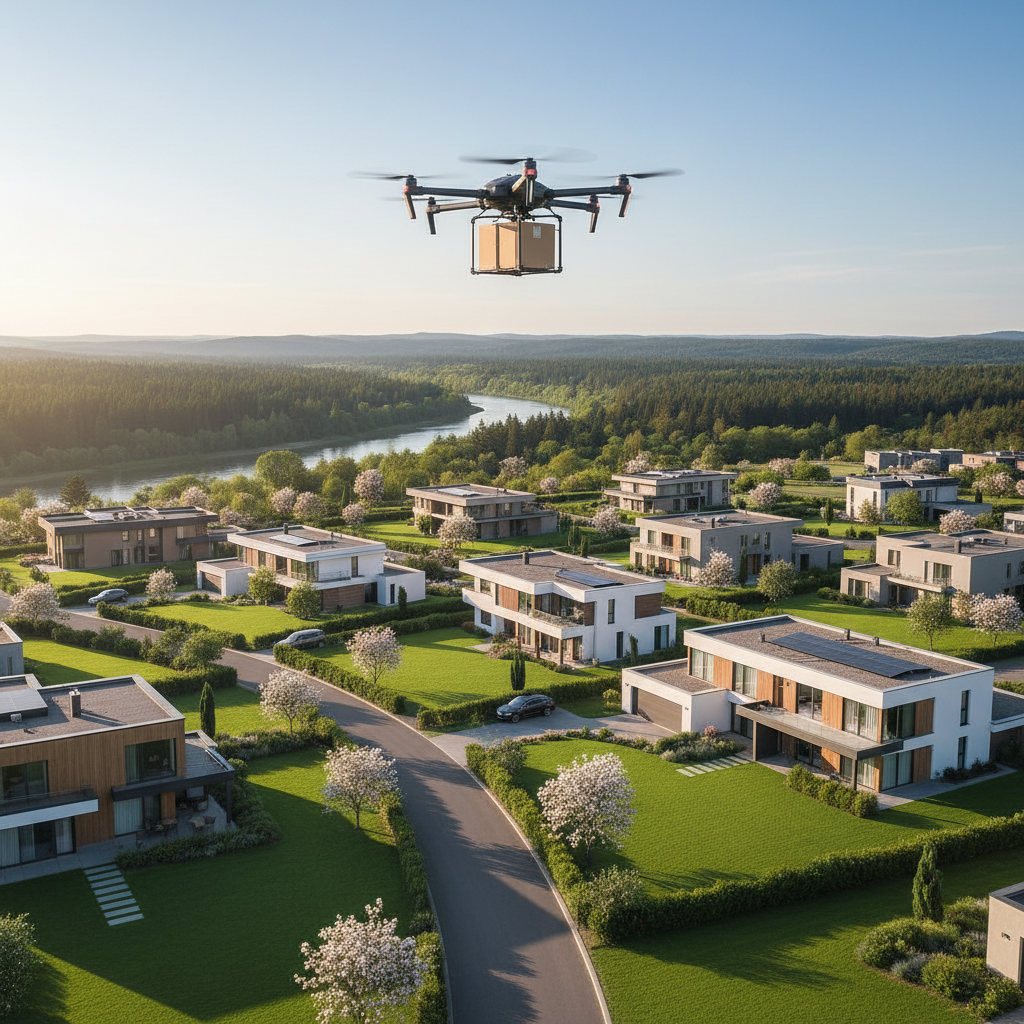
Alberta is embracing a new generation in its logistics and delivery environment with the expansion of Amazon’s drone delivery program into the province. The expansion is specifically aimed at enhancing the efficiency of deliveries, reducing expenses, and putting Alberta at the forefront of technology developments in logistics.
The strategic investment by Amazon in Alberta
Amazon’s investment in Alberta was seen through recent investments. Amazon came forward with opening its largest Canadian robotics fulfillment center, YYC4, in Calgary that spans 2.8 million square feet of space and employs more than 1,500 people. The facility makes use of advanced robotics to speed up order processing and delivery, which says a lot about the dedication of Amazon towards harnessing the most advanced technologies in operations.
Drone Deliveries: A Cost-Effective Solution
While drone deliveries are currently more costly than conventional deliveries—estimated at $63 per package in 2025 —Amazon is hopeful that increased quantities of activity and technological advancements will bring them down in the long run. Incorporating drones into Alberta’s delivery network will increase the efficacy of last-mile logistics, particularly for rural and remote communities, with cost savings in the long run as well as increased service levels.
Making Remote Communities More Accessible
Drone delivery technology could also boost the accessibility of Alberta’s remote and rural communities. For an illustration, Drone Delivery Canada initiated drone-delivered medical supply shipments to the Montana First Nation, situated roughly 90 kilometers south of Edmonton. The action addresses the logistic problems that come with communities having not a lot of points of access to critical services, emphasizing the capability of drones in filling infrastructure gaps.
Economic and Employment Opportunities
The expansion of Amazon operations in Alberta is not only a technological revolution but also an economic boost. The establishment of the YYC4 fulfillment center has introduced over 1,500 jobs into the economy of the province. Additionally, the inclusion of drone technology will introduce new jobs in drone operation, drone maintenance, and logistics management, an educated pool for the new logistics landscape.
Environmental Impacts of Drone Deliveries
Apart from economic advantages, drone deliveries are also eco-friendly by reducing the reliance on traditional delivery vehicles, hence greenhouse gas emissions. The use of electric drones under Alberta’s sustainability approach is one method of promoting green practices in logistics.
Regulatory Considerations and Safety Measures
The installation of drone delivery systems needs strategic direction through regulation frameworks to enable safety and compliance. Provincial leadership in the adoption of drone technology is best exemplified by collaborative efforts with aviation regulators in the creation of guidelines to cover airspace management, privacy, and operational safety. Efforts towards these are needed to ensure sound and responsible drone utilization in the airspace of the province.
Community Engagement and Public Perception
The successful integration of drone deliveries into the Alberta logistics network depends on public support and civic involvement. Enumerating the advantages, safety protocols, and operational procedures of drone deliveries in a transparent manner is critical to secure the trust of the people and dispel concerns. Pilot projects and publicity efforts can contribute a great deal in making citizens more aware of this new technology.
Looking Forward: Alberta’s Contribution to the Future of Logistics
Alberta’s decision to hire Amazon’s drone delivery technology is a milestone in future-proofing its logistics networks. Through embracing new solutions, the province is setting the pace for other regions to follow in creating delivery services, and it sets a benchmark other regions can follow. The continued collaboration between government agencies, private companies, and communities will be essential in developing a logistics environment that is efficient, accessible, and visionary.