
- calendar_today August 12, 2025
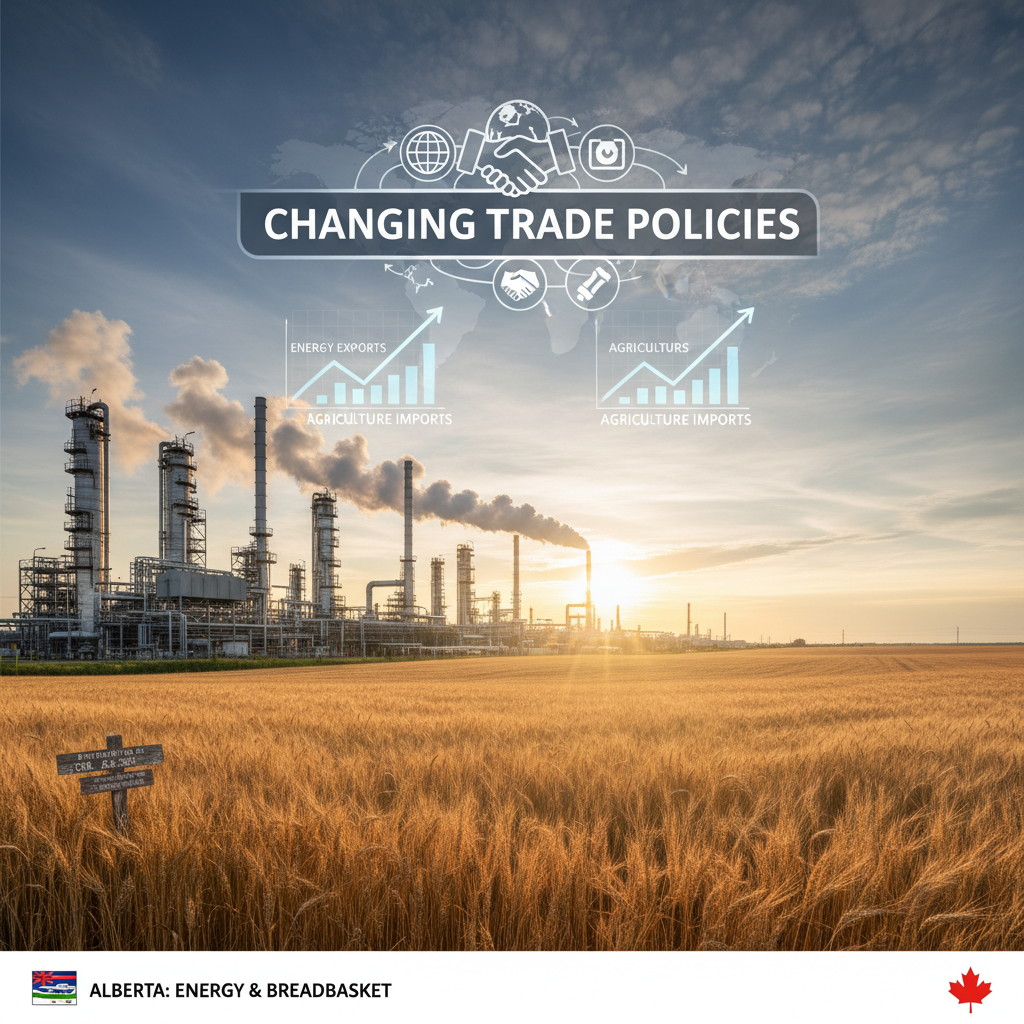
Alberta, whose strong energy and agriculture-driven export economies, is observing the economic impact of the trade policy reforms of former President Donald Trump closely. As one of Canada’s most trade-dependent provinces, Alberta’s sectors like oil, gas, agriculture, and manufacturing have faced challenges and opportunities with shifting trade agreements, tariffs, and international market forces. With economic times changing, companies and politicians are thinking about how they will have to shift to fit into Trump’s trade strategy’s lasting impact.
Trade Uncertainty Haunts Energy Industry
Alberta’s energy sector, which produces oil and natural gas, is a pillar of its economy, and American trade policy has played a significant role in determining how it has performed. Efforts to make America more energy independent, such as using less foreign oil and more domestic oil, impacted Alberta’s exports of energy under Trump’s leadership.
Although Trump’s pro-fossil-fuel stance helped support Canadian crude demand, regulatory and pipeline timing risks posed longer-term issues. The energy sector has had to deal with shifts in U.S. priorities regarding trade, like pipelines in controversy and transport bans. Alberta is still one of the leading oil exporters to the U.S., and industry leaders continue to insist on secure trade arrangements to maintain market access.
Agriculture Adapts to Trade Reality
Alberta’s agricultural industry, in the form of beef, wheat, and canola exports, have been hurt through shifting trade arrangements and counter-tariffs. With the new USMCA, some terms of market access have shifted, and Alberta agricultural exporters have suffered.
Beef producers, for example, have also suffered uncertainty regarding exports to America due to shifting demand and regulation. Meanwhile, trade tensions between America and China also cascaded to hurt Alberta’s canola industry, as Chinese demand for Canadian produce was impacted by overall geopolitical tensions.
Despite all these difficulties, Alberta growers have resorted to new opportunities through export diversification beyond North America. Markets in Europe and Asia are the attractive choices now since trade barriers with the U.S. create uncertainties.
Manufacturing and Supply Chain Adjustments
Alberta’s manufacturing sector, including machinery, transportation equipment, and food processing, have been affected by Trump’s steel and aluminum tariffs. Increasing the price of raw materials has caused manufacturers to be more costly, leading some companies to look for alternative sources or to pass it on to customers.
Trade tensions also have impacted supply chains in Alberta’s logistics and distribution systems. As the majority of businesses use U.S. imports to introduce essential components, shifting trade policies have led businesses to re-examine their supply models. While several of them have adjusted by sourcing materials from within Canada or other international partners, long-term trade stability is more than a distant prospect.
Retail and Consumer Pricing Effects
Alberta consumers also suffered the impact of shifting trade policies, with tariffs and supply chain volatility affecting prices of goods. Tariffs on U.S.-imported electronics, cars, and household goods have led to their prices changing, and consumer consumption patterns have been impacted.
Traders have responded by adjusting price strategies, identifying alternative suppliers, or offering discounts in a bid to remain competitive. However, uncertainty regarding trade relations has discouraged firms from putting in place long-term price strategies.
Future Economic Outlook for Alberta
While Alberta holds its breath and watches the effect of Trump’s trade policies, policymakers and industry players are already considering how they can sustain economic stability. Since Alberta is searching for means of improving trade relationships outside North America, it keeps its relationship with the United States on the boil.
The energy sector remains a front-runner sector of Alberta’s new economy, with expansion of pipeline capacity and diversification of export market continued. The manufacturing and agribusiness sectors, meanwhile, are investigating long-term options to reduced reliance on trade policy in the United States and enhanced market access abroad.
Conclusion
Trump’s trade policy turnaround has impacted Alberta’s economy in a multitude of industries, from energy and agriculture to manufacturing and retail. While the resilience of some companies is positive, most are still reeling from uncertainties caused by tariffs, access to market, and the disruption of supply chains.
As trade policies change, Alberta is dedicated to having a secure economic future through planning, investment, and diversification. How well the province succeeds in adapting to the present changes in ongoing changes in trade as well as anticipated economic changes is going to hinge on its capacity to adapt.