- calendar_today June 22, 2026
Alberta – The consumer price index (CPI) in Alberta rose notably in May 2026, reflecting a national trend driven primarily by surging gasoline prices and persistent food inflation. The latest data from Statistics Canada highlights a 3.2% year-over-year increase in the CPI, signaling a marked acceleration from the 2.8% recorded in April.
Gasoline Prices Propel CPI Inflation
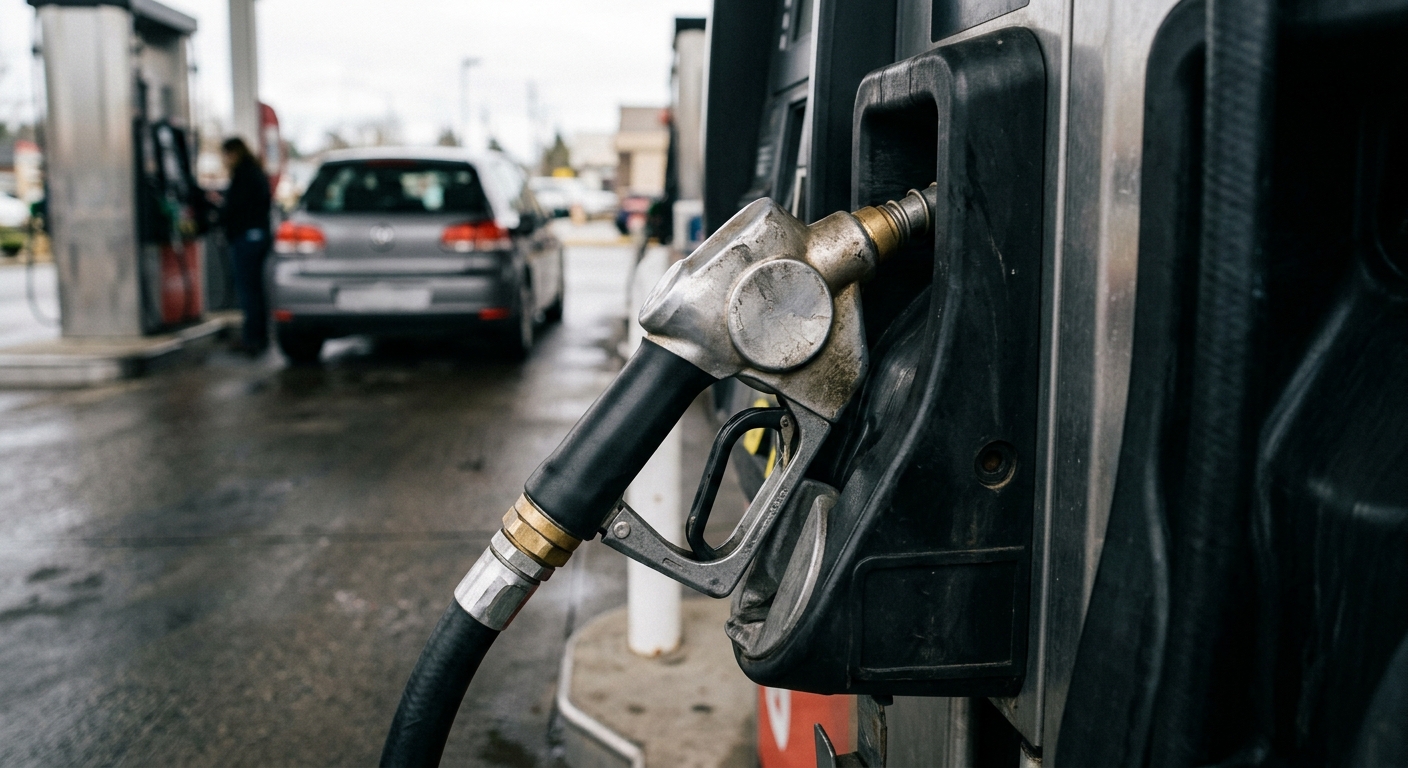
Fuel costs played a pivotal role in Alberta’s latest inflation figures. Gasoline prices soared by 33.2% compared to May 2025, a trend that echoed across every province. This substantial rise in gasoline prices was attributed to ongoing supply uncertainties, particularly those related to Middle East conflicts and the temporary closure of the Strait of Hormuz, a critical corridor for global oil shipments. For Albertans, the spike in gasoline has become a crucial factor shaping household and transportation budgets.
Food Inflation Outpaces Headline Growth
Food inflation remained a concern, with store-bought groceries rising 4.3% year over year—exceeding the overall rate of CPI inflation for the sixteenth consecutive month. Local consumers noted sharp increases in prices for key fresh produce items. Fresh vegetables, especially tomatoes, saw significant jumps, with tomato prices surging by 45.2% as a result of ongoing supply issues originating from Mexico. The persistent rise in food costs continues to impact Alberta families and regional grocers alike.
Air Transportation and Travel Tours Add Up
Other notable contributors included travel tours and air transportation, both of which experienced higher prices in May. The travel sector’s rebound, strengthened by increased demand for leisure and business trips, led to greater price pressures. Many residents planning summer travel in Alberta faced increased air transportation costs, reflecting broader national trends and ongoing industry challenges.
Shelter Prices and the Cooling Housing Market
While overall inflation accelerated, shelter prices—another critical component of the consumer price index—showed signs of deceleration. Rent growth slowed across the province, while homeowners benefited from declining indices for replacement costs and mortgage interest payments. This moderation offered some relief to Alberta’s housing market, aligning with recent patterns observed in other parts of Canada.
Durable Goods and Technology Demand
Durable goods price growth remained steady in Alberta, though certain categories demonstrated renewed pressure. Computer equipment and software saw upticks in pricing, a result of increased demand from artificial intelligence data centers and ongoing supply constraints. These trends not only affected consumers but also local businesses dependent on information technology infrastructure.
Regional Inflation and the Price Index Basket Update
Alberta was not alone in experiencing accelerated regional inflation; every province reported similar dynamics, with gasoline prices serving as the principal driver. Meanwhile, Statistics Canada updated the price index basket in May 2026 to reflect 2025 expenditure data and evolving consumer habits, though officials emphasized that this update did not affect the current headline figure. The statistical agency continues to encourage public engagement, offering opportunities for Albertans to inquire about CPI trends and regional impacts.
Looking Ahead for Alberta Consumers
As Alberta continues to navigate the shifting landscape of cpi inflation, stakeholders across the province—including households, businesses, and policymakers—are watching for further developments in supply chains and price movements. Attention will remain focused on supply-driven factors impacting gasoline and food inflation, as well as the trajectory of shelter prices and durable goods costs in the months ahead. Residents and analysts alike await upcoming releases from Statistics Canada, which will further illuminate how global events and local realities are shaping the province’s consumer price index and economic outlook.