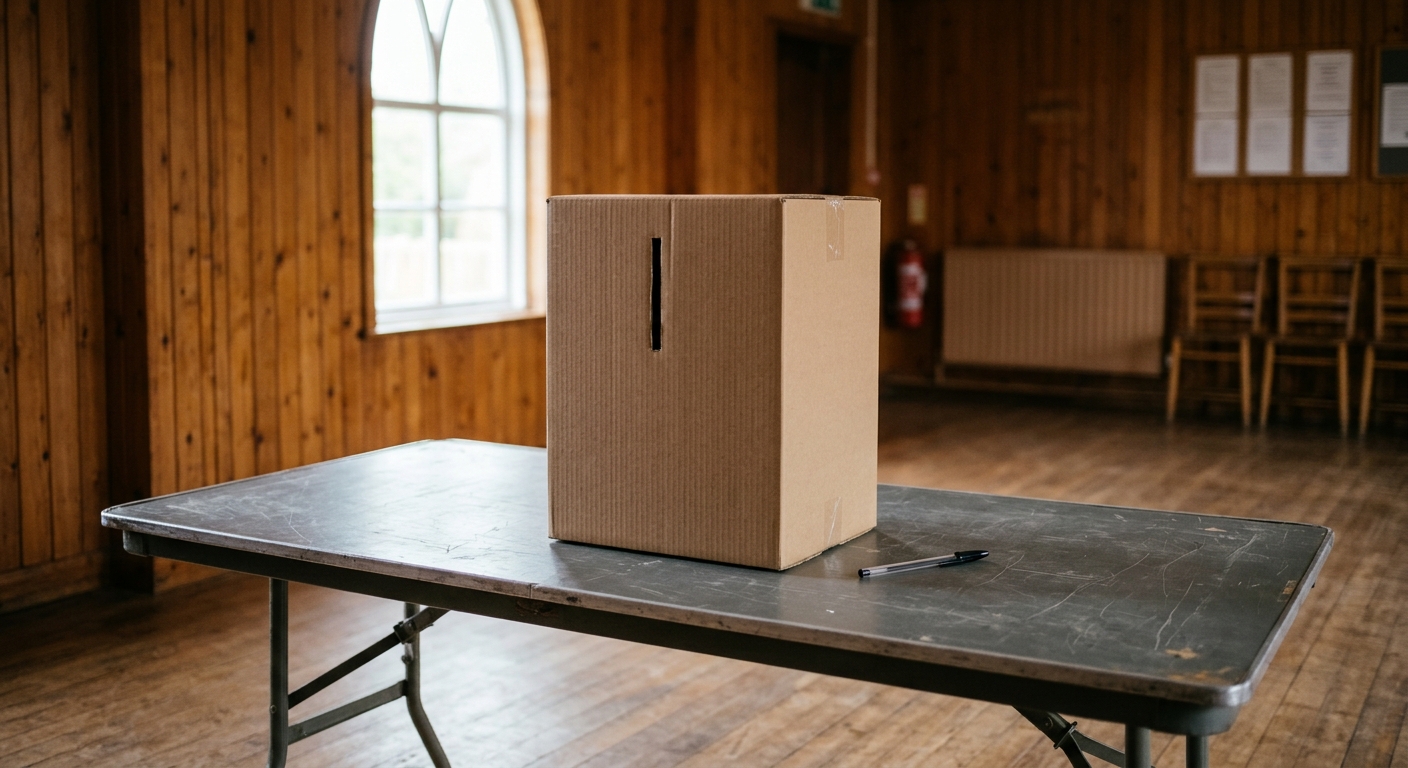
AI-generated illustration; not a photograph of the reported event.
- calendar_today October 25, 2026
Alberta Referendum: Immigration Proposals Pass, Constitutional Changes Fail
Alberta voters have given partial approval to Premier Danielle Smith’s United Conservative government’s recent referendum, supporting all five immigration-related proposals while rejecting constitutional reforms. The referendum, held this week, asked Albertans nine questions not related to separation. The official results will be finalized on October 29, with Elections Alberta reporting the hand-counting of 20,574,612 ballots—the largest hand-count in Canadian election history.
Referendum Results on Immigration Questions
The central event of the referendum yielded a slim majority in favor of the immigration proposals. The most strongly supported question—requiring proof of citizenship for voting in provincial elections—received 58% approval. About 55% of participants agreed with granting Alberta greater provincial control over immigration, partly to manage the number of newcomers.
Three proposals limiting access to public services for certain non-permanent residents garnered between 52% and 53% support each. If implemented, these changes could require temporary residents such as international students or temporary foreign workers to live in Alberta for at least a year before qualifying for some provincial social supports, and may result in additional fees for accessing health care and education.
Smith’s Reaction and Campaign Insights
Premier Danielle Smith expressed cautious optimism about the immigration results. She indicated her focus would be on adjusting economic migrant policies. "I want to be very cautious about that and try to interpret a little bit of the result that we got back," Smith told reporters. She acknowledged the challenges of changing rules for people who arrived under previous systems and noted the clear rural-urban divide in voting patterns, suggesting that conservative issues in rural areas differ from urban priorities, particularly in cities like Calgary and Edmonton.
The provincial government had invested $4 million in an advertising campaign urging “yes” votes. Despite this, Lori Williams, a political scientist at Mount Royal University, said the results do not give Smith the strong mandate she sought, or the authority to move forward decisively.
Public Perspectives on Immigration Vote
The referendum has prompted a variety of reactions among Albertans. Calgarian Camille Katigbak, whose parents immigrated from the Philippines and who owns a marketing agency, supports the changes, citing concerns about strain on public systems. "If we just limit and kind of pre-qualify, we make sure these people are here for the right reasons, it would really help our system be more streamlined," she said.
In contrast, Dozie Anyaegbunam, a newcomer from Nigeria and host of The Newcomers podcast, had hoped immigration questions would fail. Though disappointed, he said, "It is not an overwhelming majority... Even if the government says they have a mandate, they don't have a full mandate."
Constitutional Reforms Rejected by Voters
All four constitutional questions were rejected, including proposals to allow Alberta to select its own judges, abolish the federal Senate, opt out of some federal programs, and allow provincial laws to take precedence over federal ones in certain areas. University of Alberta law professor Gerard Kennedy described the likelihood of successful constitutional amendments as very low, despite interest from other provinces as well.
Third-party advertising was less prominent on these nine questions, with campaigns like “No to the Nine” advocating against the proposals, and some independence-minded groups declining to promote the referendum.
Next Steps and Legislative Outlook
The united conservative party indicated that no immediate legislation will result from the referendum, though some changes may be proposed in upcoming sessions. Policy shifts—such as requiring temporary residents to pay premiums for certain services—could take time to implement and may require transition periods, particularly with an election set in twelve months.
Prime Minister Mark Carney commented that cooperation between the federal and provincial governments on sustainable immigration is possible without constitutional reforms. As Alberta considers the referendum's outcome, the province faces questions about how to move forward on immigration and public service policy.
Source: cbc.ca.