- calendar_today August 15, 2025
Assessing Opportunities and Challenges Amid Hyundai’s Growth Plans
Introduction
Hyundai’s announcement about its recent investment of $21 billion in various sectors, including a new state-of-the-art steel plant, from Korea to the U.S., was not a few ripples spread in various locations throughout North America. It is a blend of economic curiosity, strategic reflection, and competitive caution coming for an energy, manufacturing, and raw materials supply province like Alberta.
It deepens U.S. manufacturing footprints: Alberta keenly watches possible changes these might have on trade flows, industrial collaboration, and, subsequently, future opportunities within the broader North American market.
Essential Aspects of Hyundai’s Investment
Although Hyundai’s investment is concentrated in the south of the border, the reaches are globally extended. There are quite several major areas where the Alberta economy may be affected:
Automotive and Manufacturing Linkages: Increases in U.S. vehicle production by Hyundai would probably alter demand among Canadian-supplied parts, likely influencing industrial manufacturers and suppliers based in Alberta.
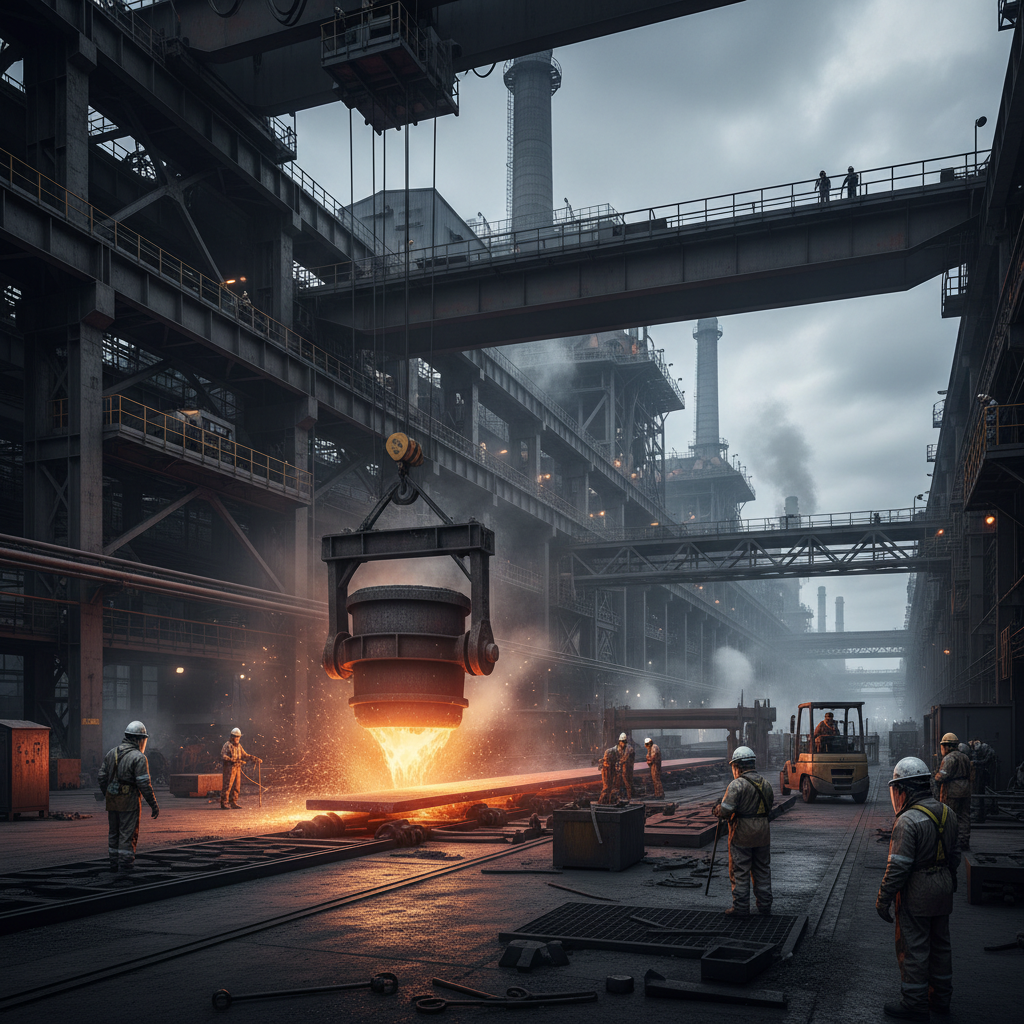
Steel and Raw Material Supply: The planned U.S. steel facility will reduce the amount of Canadian or Alberta-exported steel and raw materials, leading local producers to revisit their market strategies for supplements.
Trade and Economic Relations: Cross-border relationships could change with the evolution of Hyundai’s supply chains focused on the U.S. because that would probably call for a retraining of Alberta’s existing industrial trade relations.
Economic Considerations for Alberta
There are several economic considerations attached to Hyundai’s expansion for Alberta, some of which could be disruptive:
Supply Chain Modifications: Most companies are likely to experience sourcing deviations, with these adversities having huge implications on their operations towards U.S.-centric logistics.
Employment Considerations: On the one hand, there will be opportunities for new contracts and partnerships that may arise, while on the other, Alberta firms would likely experience stiffer competition, particularly in terms of material, component, and energy solutions.
Influence of the Energy Sector: As it would be with Alberta, there is always a high note on oil and gas. The advantages that would be brought forth as they plan on precision and sustainability could also result in future energy partnership models for clean or renewable energy integrations as well as influence future demand changes.
Challenges and Issues
While Hyundai’s expansion promises all sorts of advantages, it leaves Alberta with a few critical hurdles such as:
- Competitive Pressures in the Marketplace: While a Hyundai U.S.-focused industrial strategy may bypass traditional suppliers for Canada, it may prove harmful to Alberta’s manufacturing export base.
- Trade and Regulatory Changes: Changes in U.S. trade policy or the introduction of new regulatory environments would complicate access to Alberta exports and dilute Alberta’s influence within Hyundai’s extended supply chain.
- Technological and Infrastructure Needs: Hyundai’s focus on automation, smart factories, and green technology requires Alberta to invest in the modernization of its infrastructure and industrial capabilities to align with global trends.
Opportunities for Alberta’s Economy
Despite myriad challenges, Alberta can copiously avail of opportunities born out of this audacious investment initiated by Hyundai:
- Strengthening Industrial Supply Chains: Companies in Alberta can improve their operations, increase their product lines, and even obtain ISO-level certification to remain viable supplier options in Hyundai’s North American network.
- Advancing Sustainable Energy Solutions: Alberta can position itself in the never-dying race for green hydrogen, biofuels, and carbon capture technologies, harnessing its natural and industrial assets while Hyundai veers towards clean energy and emissions reductions.
- Enhancing Trade Partnerships: Private and public players in Alberta alike can explore new trading frameworks or cooperation agreements with Hyundai and its subsidiaries to ensure home industries are not pushed off the brink of the ongoing change.
Conclusion
With Hyundai canvassing the ground in the U.S., Alberta will have to weigh through its strategic position in an era of changes for a continental economy. Well-thought-out strategies, development of trade relations, and an ardent devotion to industrial innovation could help Alberta face up to some of its challenges and emerge stronger, more resilient, and better poised for the next phase of growth.