- calendar_today August 6, 2025
Alberta’s real estate industry has long centered around affordability, energy-sector-driven demand, and steady suburban growth. But as 2025 unfolds, local real estate is showing signs of structural change: softer single-family home activity, rising appetite for townhomes and multifamily, and caution among institutional investors amid tighter lending conditions.
Calgary’s Urban Inventory Slows, Rentals Gain Momentum
Once a stronghold for suburban family buyers, Calgary’s detached housing market softened this summer. Average days on market increased by 15%, and rather than competing, buyers in communities like Cochrane and Airdrie are putting more focus on pricing control and negotiation. At the same time, rental demand in inner-city neighbourhoods such as Mission and Kensington remains strong—in part driven by corporate clients and professionals returning to office-based work patterns.
“We’re noticing a distinct shift toward townhomes and condos,” says broker Leanne Patel. “Buyers want walkability, transit—and manageable entry prices.”
Edmonton Picks Up Redevelopment Pace
In Edmonton, aging single-storey homes in southwest neighbourhoods—such as Oliver and Strathcona—are increasingly sold for redevelopment. Multi-family infill and stacked townhomes offer a new path forward, appealing to urban professionals and downsizers. The market for purpose-built rental in central Edmonton is robust, with vacancy below 2%.
Investors and developers are adapting quickly. A recent rental project in the Boyle Street area reached full occupancy within weeks. “Institutional buyers are weighing long-term cash flow over speculation,” notes real estate economist Marc Tremblay.
Rural Real Estate Holds But Shows Complexity
Outside major metros, markets in Red Deer, Lethbridge, and Medicine Hat remain stable—though not immune. Agriculture-linked properties and acreage homes held value better than in 2024; yet long listing times and limited financing flexibility slowed deals in smaller towns.
Energy-sector uncertainty tied to oil price volatility still makes some rural activity cautious. However, demand from investors targeting retirement-friendly properties near Canmore or Sylvan Lake continues to support stable pricing.
Affordability Prompts Buyer Shift to Medium-Density Options
Across Alberta, affordability is reshaping buyer profiles—especially for younger families and first-time purchasers. The appeal of townhome communities and low-rise condos in neighbourhoods such as Calgary’s Bridgeland or Edmonton’s Strathearn stems from central access and pricing that remains 20–25% lower than outer suburbs.
Developers are responding. New townhouse clusters in east Edmonton sell quickly, and condo conversion proposals in older Calgary neighbourhoods are generating buzz among option-conscious buyers.
Investor Behavior: From Speculation to Stability
Alberta’s investor landscape is shifting. High-risk speculative flipping has yielded to rental-oriented strategies. Edmonton and Calgary have seen a rise in acquisitions of mid-size purpose-built mid-rise buildings. Cap rates on stabilized assets remain above 5%, offering safer returns than overheated rental flips.
“Landlords are seeking predictability,” says finance advisor Sarah McLeod. “We’ll see fewer risky plays and more long-term ownership structures in 2025.”
Policy Developments Shape Market Direction
Provincial rental policy—with longer notice requirements and tighter rent growth tied to inflation—has slowed speculation in urban cores. Meanwhile, zoning reforms in Calgary’s inner city have eased laneway home and duplex projects—a move aimed at densifying without sprawl.
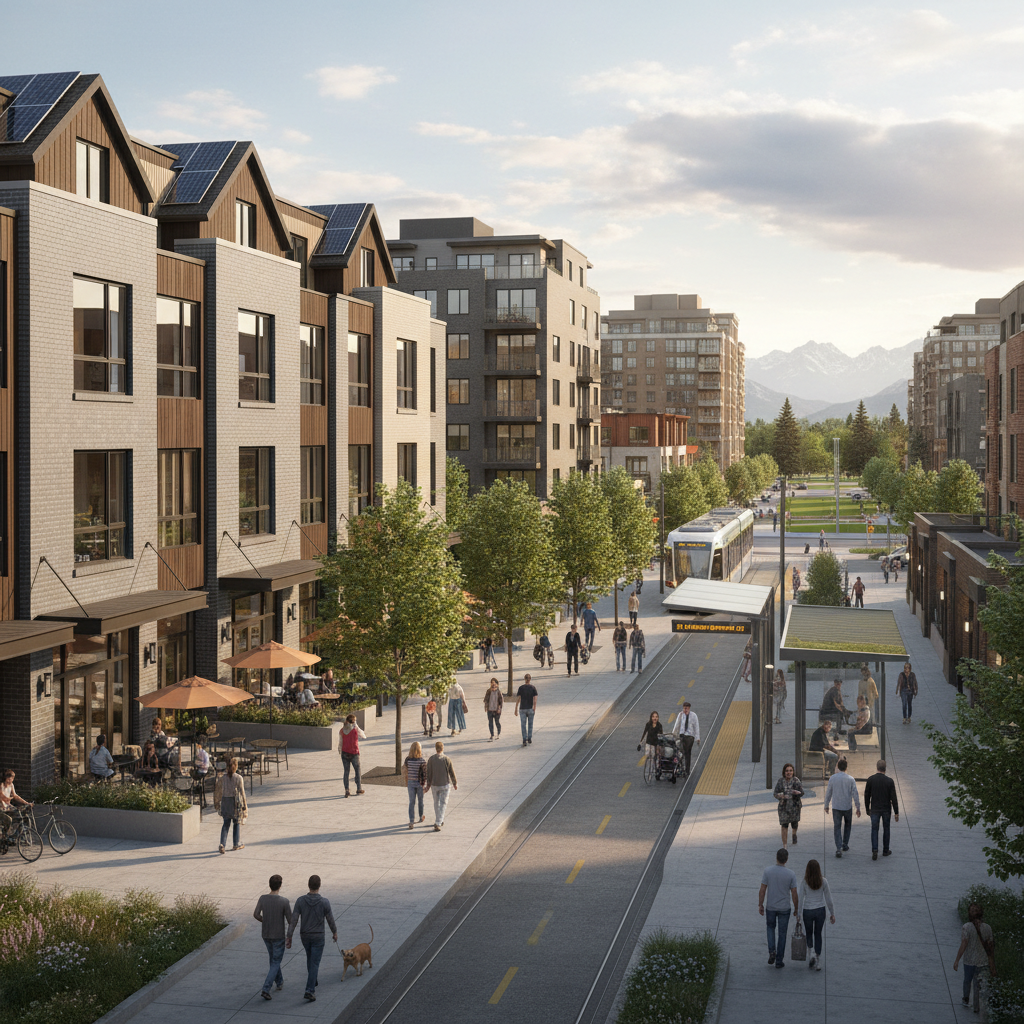
Public-private partnerships in Edmonton are supporting mixed-use redevelopment near LRT stations. These are modest in scale but signal a shift toward walkable, transit-linked urban densification.
Outlook: Balanced Recovery Rather Than Boom
Alberta’s housing market in 2025 is not in freefall—and not breaking records. Instead, it’s finding a balanced middle ground driven by demographic adjustment and investor recalibration. Detached home demand is cooling, but purpose-built rental and walkable medium-density housing retain momentum.
Looking ahead, agents and developers expect modest growth in transit-adjacent zones and upward pressure on affordability-adjusted niches like infill townhomes. Remote-worker households and downsizing empty‑nesters are seen as the most active groups ahead—with targeted adaptation already underway.