- calendar_today August 26, 2025
Following several months of beta testing and anticipation Google has officially started deploying Android 16. Pixel users can download the update immediately while non-Pixel phone owners must wait several months for availability. Pixel owners will receive an OTA notification shortly while users who want immediate access to Android 16 can manually download system images and update files from Google developer pages.
The latest Android update lacks numerous eye-catching features. The update delivers small improvements while making system-level adjustments and a limited number of user-facing enhancements. Users can expect the major upcoming features of Android to be released at a later date in 2025.
Cleaner Notifications and Smarter Alerts
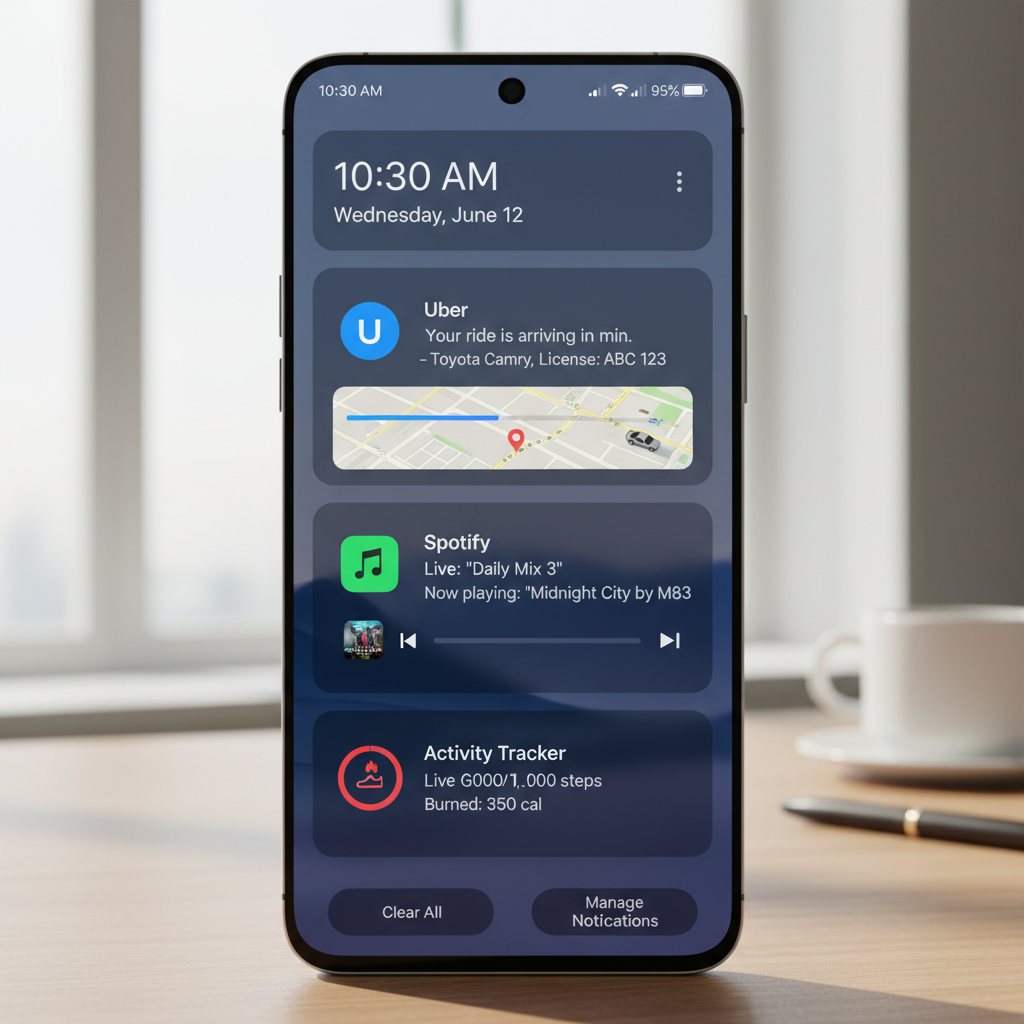
The notification handling method stands out as a key improvement in Android 16. Google has transformed its bundled notifications feature from Android 7.0 Nougat into a compulsory component of the operating system. Applications are required to consolidate multiple notifications into a single expandable unit to provide a streamlined experience for users managing their notification shade.
Live update notifications are also new. The system displays real-time updates from rideshare and food delivery applications. The status bar shows a small icon users can tap to open a pop-up card displaying a live progress bar. Samsung and OnePlus work with Google to add this functionality to their own interfaces which include Samsung’s Now Bar and OnePlus’s Live Alerts.
Android 16 enhances device protection through its system-wide Advanced Protection feature. The feature that used to be restricted to user accounts has expanded to operate throughout the entire device. This functionality blocks connections to insecure 2G networks while stopping access to unsafe websites and preventing USB connections from unknown devices. It’s a step forward for privacy-conscious users.
The Pixel Studio app includes Emoji Kitchen which provides Pixel users a delightful new feature. Generative AI technology enables Pixel Studio users to make distinct emoji combinations through Emoji Kitchen. The feature focuses on personal expression rather than increasing productivity within the Android operating system.
Developers need to take into account a series of upcoming changes. Applications which target Android 16 (API level 36) now receive enhanced optimization for usage on larger displays. Google aims to simplify responsive layout design for foldables and tablets while continuing to expand this device category. The update extends camera capabilities with new options for motion photo capture, hybrid auto-exposure settings and night mode availability. Android 16 enables apps to support HDR screenshots provided the apps have this capability.
Google maintains a strong commitment to optimizing system performance and efficiency. Android 16 includes additional limitations for background processes. The update should lead to improved battery life and quicker system performance but might create problems for older apps that are no longer updated.
Alongside Android 16’s introduction Pixel Drop rolls out with exclusive features for Pixel devices. Pixel VIPs stands out as the primary feature which builds upon the favorite contacts functionality. The dedicated widget now displays VIP contacts who share their latest WhatsApp and Messages activity together with shared locations and birth dates when enabled. The updated contacts feature now lets users ignore Do Not Disturb settings for VIP interactions.
Pixel Drop brings enhanced hearing aid support together with live search capability in Magnifier app and broader availability of Expressive Captions across the UK, Australia, and Canada. The Pixel experience features operate independently without needing complete system updates.
The development of some of Android 16’s most awaited features continues as we look to the future. The novel Expressive design language from Material 3 will reach Pixel phones sometime later this year. Developers have received encouragement to start modifying their applications in order to align with the new colorful and expressive visual style.
The desktop mode feature that Android developers have discussed at length is now becoming part of the system’s ecosystem. Google and Samsung are teaming up to expand the DeX-style windowing experience. Tablets will match laptop functionality when connected to external displays through floating windows for multitasking. The Pixel 9 Pro Fold cannot project a desktop-style interface directly from its hardware but has the ability to extend this interface onto an external screen. The feature’s accessibility is subject to OEM implementation as OEMs will make the final decisions. Support will be available on Google phones yet other manufacturers might only offer basic screen mirroring functionality.
The introduction of this Android version represents a change in Google’s software release schedule. The release of Android versions in the fall has been traditionally timed with new Pixel hardware launches. From Android 16 onward major updates will begin releasing in late spring followed by additional feature releases later in the year.
Android 16’s initial presentation seems unremarkable yet it establishes the groundwork for substantial updates throughout 2025. The upcoming months will bring significant new features for Android which keeps the platform in the spotlight of tech enthusiasts.