
- calendar_today August 17, 2026
The consumer price index (CPI) in Alberta and across Canada advanced by 3.0% year over year in July 2026, according to the latest StatCan data. The increase, noted as sharper than June’s 2.8%, underscores persistent inflationary trends impacting Alberta households and businesses. Several sectors, including gasoline, transportation, shelter, and groceries, continue to shape the province’s economic landscape.
Gasoline Prices Drive Headline Inflation
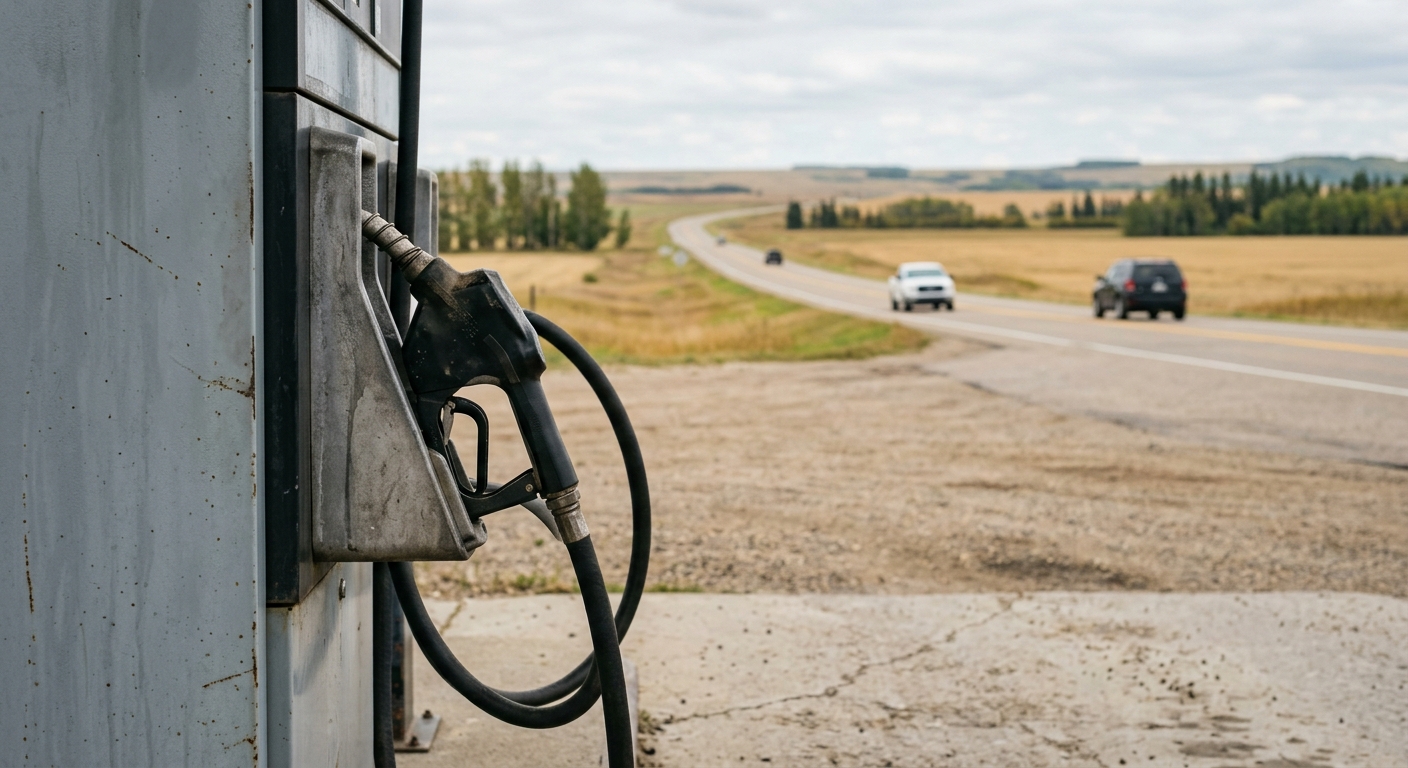
One of the leading contributors to the rise in the consumer price index was the spike in gasoline prices, which climbed 25.7% compared to the previous year. Disruptions to critical shipping routes in the Middle East played a significant role, tightening global supply and pushing prices higher at Alberta pumps. Provincial motorists are feeling these increases, contributing to overall cpi inflation and highlighting the broader challenges posed by volatile energy markets.
Transport and Travel Sectors Under Pressure
Escalating transportation costs have also played a central part in July’s inflation numbers. Higher air transportation costs, largely influenced by increased jet fuel prices and strong demand associated with World Cup events, led to notable upticks in travel expenses. Travel tour prices also surged, adding to the upward pressure within the price index and raising the cost of both leisure and business trips for Alberta residents.
Food Prices Show Mixed Trends
Although food prices purchased from stores grew by 3.1% year over year, the rate of grocery inflation eased from June’s 3.9%. Within Alberta, consumers experienced slower price growth for items such as fresh vegetables and chicken, though fresh fruit prices continued to climb. These developments reflect a modest alleviation in cost pressures for many families but indicate continued monitoring is warranted, especially as factors like seasonal supply and global logistics continue to affect food prices at the checkout.
Regional Inflation Varies Across Provinces
Recent data reveals that regional inflation accelerated in every Canadian province except Ontario, where the price level remained unchanged at 2.0%. In contrast, areas like Nova Scotia saw inflation reach as high as 5.0%, with rising electricity and rent costs being primary factors. Alberta’s inflation rate mirrored the national average, influenced by both global market disruptions and local economic conditions, highlighting the diverse impact of inflationary trends across different provinces.
Shelter and Essential Costs Remain Elevated
The latest statistics also point to ongoing increases in shelter costs. While some benefits were observed from declines in homeowner replacement costs and natural gas prices in specific provinces, many Alberta households are still contending with elevated rent and energy expenses. The continued 2.2% rise in CPI excluding gasoline for the third month straight highlights the persistence of underlying inflation, affecting essentials beyond the volatile energy sector.
Looking Ahead: Upcoming Data and Local Responses
StatCan has announced that the next consumer price index release will occur on September 14, 2026. As policymakers, businesses, and Alberta families look toward that date, close attention is being paid to shifts in cpi inflation, regional inflation, and emerging patterns in transportation costs and grocery inflation. In the meantime, residents are encouraged to explore additional analytical tools and up-to-date statcan data to stay informed about economic changes affecting the region.