- calendar_today August 11, 2025
Green Energy Stocks: A Market in Transition
In early 2025, major clean energy stocks have faced notable declines. Tesla (TSLA) dropped more than 45% year-to-date amid weaker vehicle deliveries. First Solar (FSLR) declined nearly 32%, despite strong 2024 revenues. Enphase Energy (ENPH) and NextEra Energy (NEE) also fell by 29% and nearly 10%, respectively.
Alberta investors—many with exposure through energy sector portfolios, pension funds, and ESG investments—are navigating these fluctuations while the province advances its renewable energy goals.
Federal and Provincial Support in Alberta
The federal Inflation Reduction Act (IRA) remains a key driver for clean energy investment, providing a 30% Investment Tax Credit (ITC) and a Production Tax Credit (PTC) through 2025.
Alberta complements federal efforts with provincial initiatives:
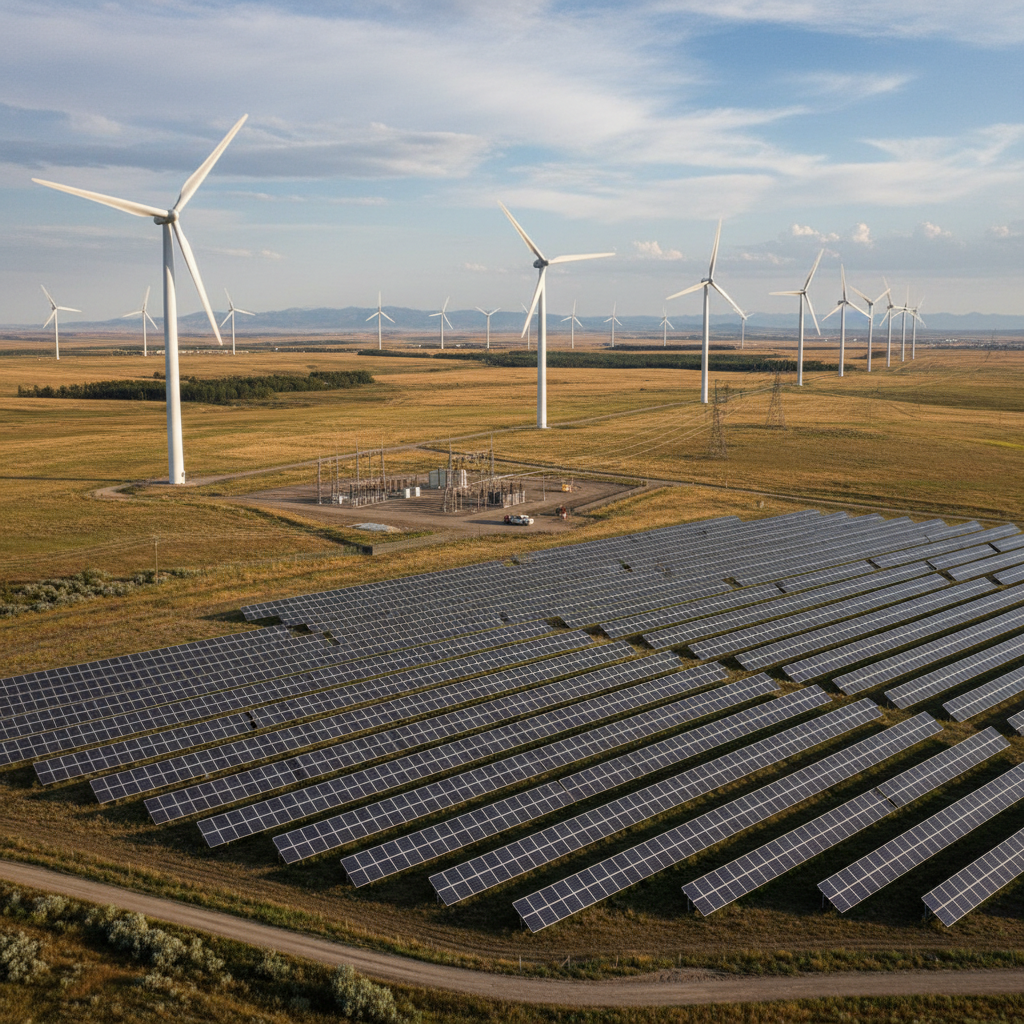
- Alberta’s government supports renewable growth through programs such as the Renewable Electricity Program (REP), aiming to add up to 5,000 MW of new renewable capacity by 2030.
- Utilities and independent power producers are investing heavily in wind, solar, and battery storage projects.
- Alberta offers incentives including grants, tax credits, and support for community energy and grid modernization.
These efforts signal a gradual but meaningful transition from fossil fuels toward cleaner energy sources.
Regional Incentives and Economic Impact
Alberta provides property tax exemptions and financial assistance for renewable energy and energy efficiency projects.
According to Alberta Energy, clean energy jobs have increased by over 12% since 2022, notably in wind turbine manufacturing, solar installation, and emerging hydrogen projects.
Macroeconomic Conditions: Interest Rates and Inflation
The Bank of Canada’s interest rates near 4.5% increase financing costs for capital-intensive renewable projects in Alberta.
Inflation has moderated to around 3.0% in early 2025, potentially supporting consumer investment in energy upgrades and electric vehicles.
ETF Performance: Sector Exposure in Alberta
Alberta investors often access clean energy stocks through ETFs such as the BMO Clean Energy Index ETF (ZCLN) and the iShares Global Clean Energy ETF (ICLN). Both ETFs have declined in 2025—reflecting global market volatility—but maintain strong five-year returns.
What Analysts Are Saying
“Alberta is balancing its traditional energy strengths with a growing commitment to renewables,” says Samantha Klein, energy analyst at Morningstar. “Investors should be mindful of short-term volatility and financing challenges during this transition.”
Goldman Sachs downgraded its green energy outlook for Q2 2025 due to supply chain and infrastructure upgrade costs—issues impacting Alberta’s clean energy rollout.
The International Energy Agency (IEA) projects renewables will supply nearly half of Canada’s electricity by 2030, with Alberta playing an important role.
So, Should You Invest Now?
Investment decisions depend on your risk profile and timeline:
- Long-term investors (5–10 years): Current market dips may offer opportunities, supported by federal and provincial clean energy momentum.
- Short-term investors: Market volatility and financing costs warrant caution.
- Diversified investors: ETFs like ZCLN and ICLN provide balanced exposure to mitigate risks.
Alberta’s clean energy sector is evolving steadily. Despite near-term market pressures, long-term prospects remain promising.
Bottom line: Know your investment horizon. For Alberta investors, green energy stocks may be volatile now but hold substantial long-term potential.