
- calendar_today August 14, 2026
Alberta’s manufacturing sales continued their strong trajectory in June, recording a 0.1% overall increase and contributing to Canada’s fifth consecutive monthly sales gain, according to recent industry statistics. The slight uptick, bringing national sales to $78.8 billion, highlights both the resilience and gradual progression of the manufacturing sector in Alberta and across the country.
Sector Performance Drives Growth
Fifteen of Canada’s 21 manufacturing subsectors reported increases in June, with notable momentum in both the chemical subsector and transportation equipment. Chemical manufacturing posted a 6.0% rise, marking its strongest performance since October 2022, fueled largely by pharmaceutical production and synthetic materials. Transportation equipment also saw a 2.8% boost, underpinned by higher output in motor vehicle parts and aerospace products.
Alberta Sees Industrial Contributions
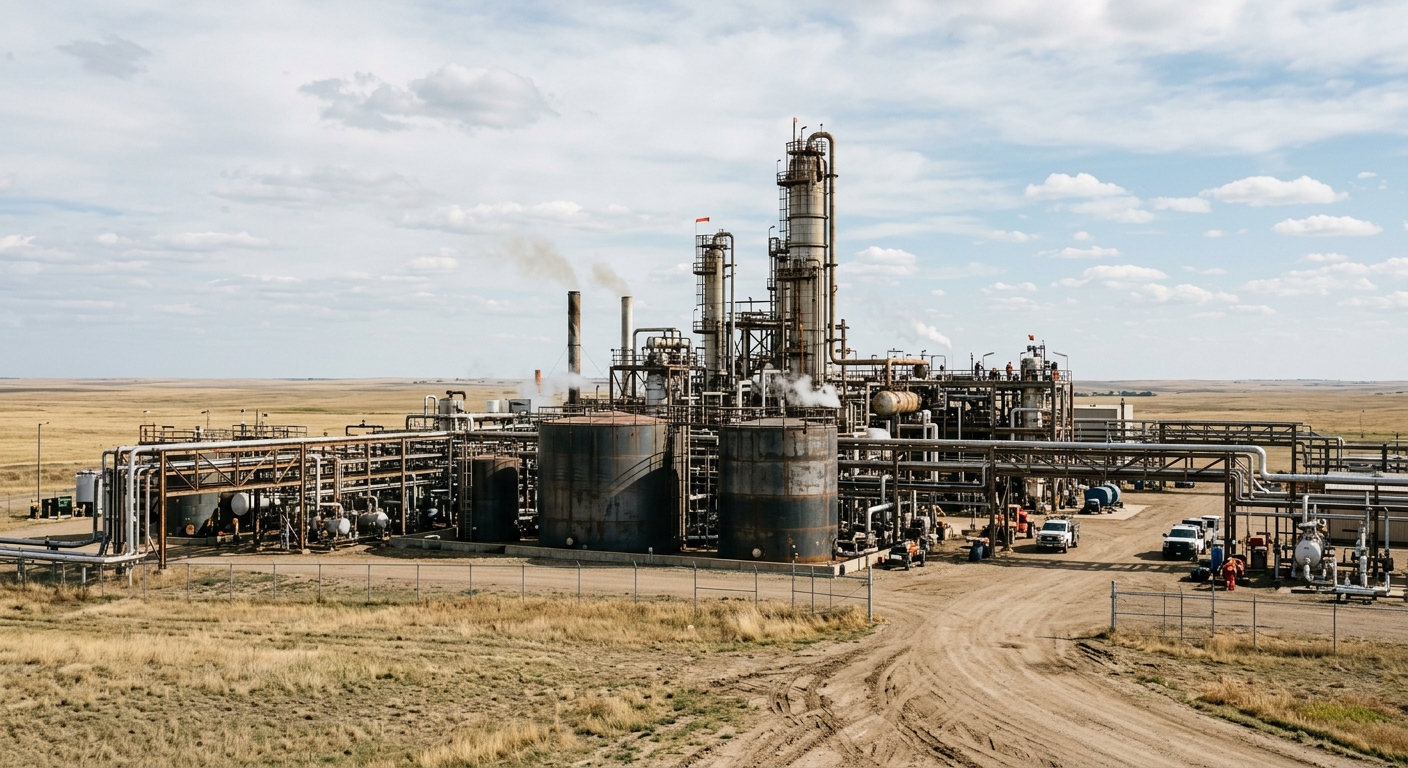
Alberta manufacturing played an integral role in the nation’s gains during June, bolstered by robust petroleum products output and increased demand for related goods. The region’s manufacturing sector is closely tracking national trends, with local industrial production consistently contributing to Canada’s overall economic performance. Meanwhile, petroleum and coal products nationally fell by 14.1%, tempering some of the broader sector’s gains but not enough to outweigh Alberta’s advances.
Geographic Distribution of Manufacturing Growth
Sales climbed in seven provinces, with Alberta and Quebec leading the way. Quebec manufacturing made substantial strides due to stronger aerospace and primary metals activity. In Alberta, manufacturing sales were supported by increased orders for petroleum and primary metals. These developments underline the importance of regional manufacturing infrastructures and supply networks in shaping Canada’s industrial growth.
Inventory and Order Book Developments
National manufacturing inventories rose 0.6% in June, driven primarily by goods in process as well as higher raw material holdings. As manufacturers worked to fulfill heightened demand, unfilled orders reached a new record, climbing 1.2% to reflect strong client demand—especially from the transportation and chemicals subsectors. Manufacturers in both Alberta and Quebec reported higher order books, indicating healthy ongoing demand into the following months.
Capacity Utilization and Sector Health
The capacity utilization rate—a measure of how fully manufacturers use their productive potential—edged upward to 82.3% nationally in June despite some pullback in transportation equipment utilization. In Alberta, steady gains in industrial production helped maintain higher utilization levels, reinforcing the region’s reputation for manufacturing reliability and efficiency. This metric is closely watched by industry observers for its links to profitability and capital investment decisions.
Year-on-Year Momentum and Future Outlook
Total monthly sales gain for Canadian manufacturing reached 14.5% year-over-year, confirming the sector’s robust performance through diversified gains. In Alberta, economic analysts and industry stakeholders have attributed ongoing growth to both diversified product lines and sustained external demand. With industrial production on the rise and inventories expanding to keep pace, the region is well-positioned to drive further economic contributions in the latter half of the year.
Implications for Alberta’s Economy
The positive momentum in manufacturing sales, particularly within Alberta’s energy-linked and diversified industrial base, signals a promising economic outlook for the province. As local manufacturers navigate shifts in global and domestic demand, Alberta remains a significant force in the national manufacturing landscape. Continued investments in manufacturing capacity and process improvements are expected to further enhance the region’s competitive edge and sustain growth in the months ahead.