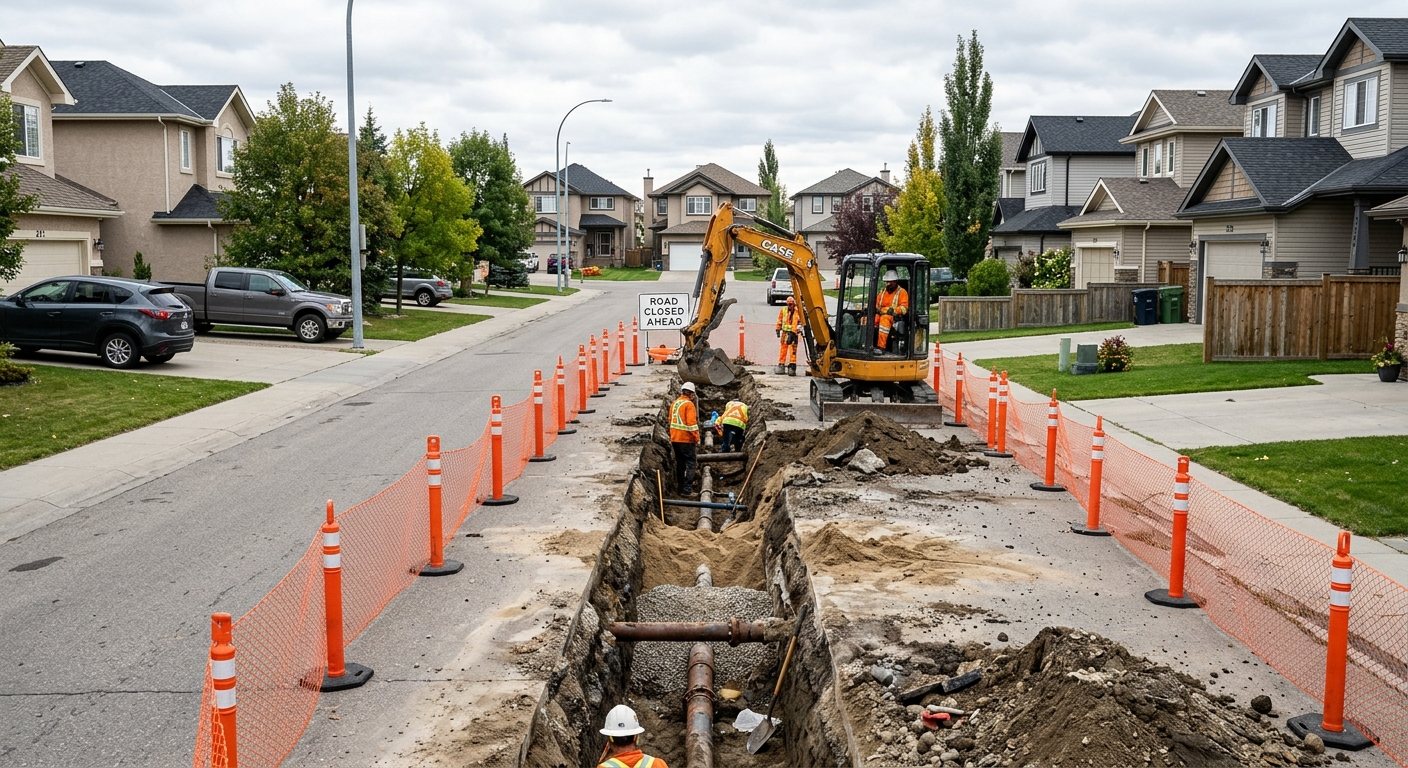
AI-generated illustration; not a photograph of the reported event.
- calendar_today November 10, 2026
Calgary Council to Release Four-Year Budget
The City of Calgary is set to unveil its new four-year budget for 2027-2030 this Tuesday, potentially including substantial hikes to residential property taxes and water bills. In anticipation of these increases, city councillors are already evaluating which municipal projects could be reduced or eliminated to ease the financial burden on residents.
Rising Costs: Taxes and Water Rates
With a growing infrastructure gap estimated at around $49 billion and a rapidly increasing population, Calgary’s city staff have prepared budget scenarios that include a possible 15 per cent property tax increase for the next year. Mayor Jeromy Farkas described this figure as preliminary and noted that, as with previous budgets, council members plan to scrutinize the numbers to distinguish essential expenses from less urgent projects. Last year, council successfully reduced a significant proposed property tax raise to under two per cent by the end of budget discussions.
Additionally, council approved a water rate increase last month that will see residential rates rise by approximately 74 per cent over the next four years and business rates by 86 per cent. City officials pointed to years of underinvestment and the need to safeguard against emergencies, such as recent major water main failures, as justification for the hikes.
Debates Over Funding and Cuts
Facing the prospect of increased taxes, city councillors have begun suggesting areas of the budget to consider for reductions. Among the most debated items is the request from Calgary Police Service for a 73 per cent increase to capital spending over the next four years—a request Mayor Farkas characterized as “unprecedented.” Councillor Jennifer Wyness observed that police have received significant funding previously and will need to account for its use.
Discussion has also turned to the city’s Safer Together community plan, which aims to connect residents to municipal services and address the root causes of crime and social disorder. While Councillor Dan McLean suggested this program could be rationalized due to overlaps with police and fire department duties, Councillor Nathaniel Schmidt defended it, arguing that Safer Together allows emergency services to focus on their primary roles by redirecting social issues to more appropriate agencies.
Office Conversion and Major Infrastructure Projects Under Scrutiny
Another potential cut under consideration is Calgary’s Downtown Office Conversion Program, designed to reduce downtown vacancy rates by transforming office spaces into housing. Councillor McLean argued the initiative should be left to the private sector, citing the significant city investment, while Mayor Farkas countered that the program not only expands housing but also strengthens the city’s property tax base and supports a vibrant downtown core.
The long-planned Foothills Multisport Field House in northwest Calgary is also on the table. Although the city allocated $109 million to the project years ago, it is still short of the provincial and federal contributions needed to begin construction. Councillor Wyness suggested reallocating the city’s earmarked funds for the field house to other capital projects more likely to materialize in the short term.
Balancing the Budget Against Public Concerns
The council faces a challenge in justifying any proposed tax increases given ongoing affordability concerns among residents. Political scientist Lori Williams of Mount Royal University noted that people are unlikely to see immediate improvements to services in exchange for higher taxes, making the council’s messaging and justification crucial. "Nobody likes increased taxes, so it’s always politically fraught to try and manage that messaging," Williams commented.
City council’s final decisions on cuts and funding priorities will be critical as the new budget is released and debated, with residents watching closely amid concerns about rising living costs and municipal services.
Related coverage
Source: cbc.ca.