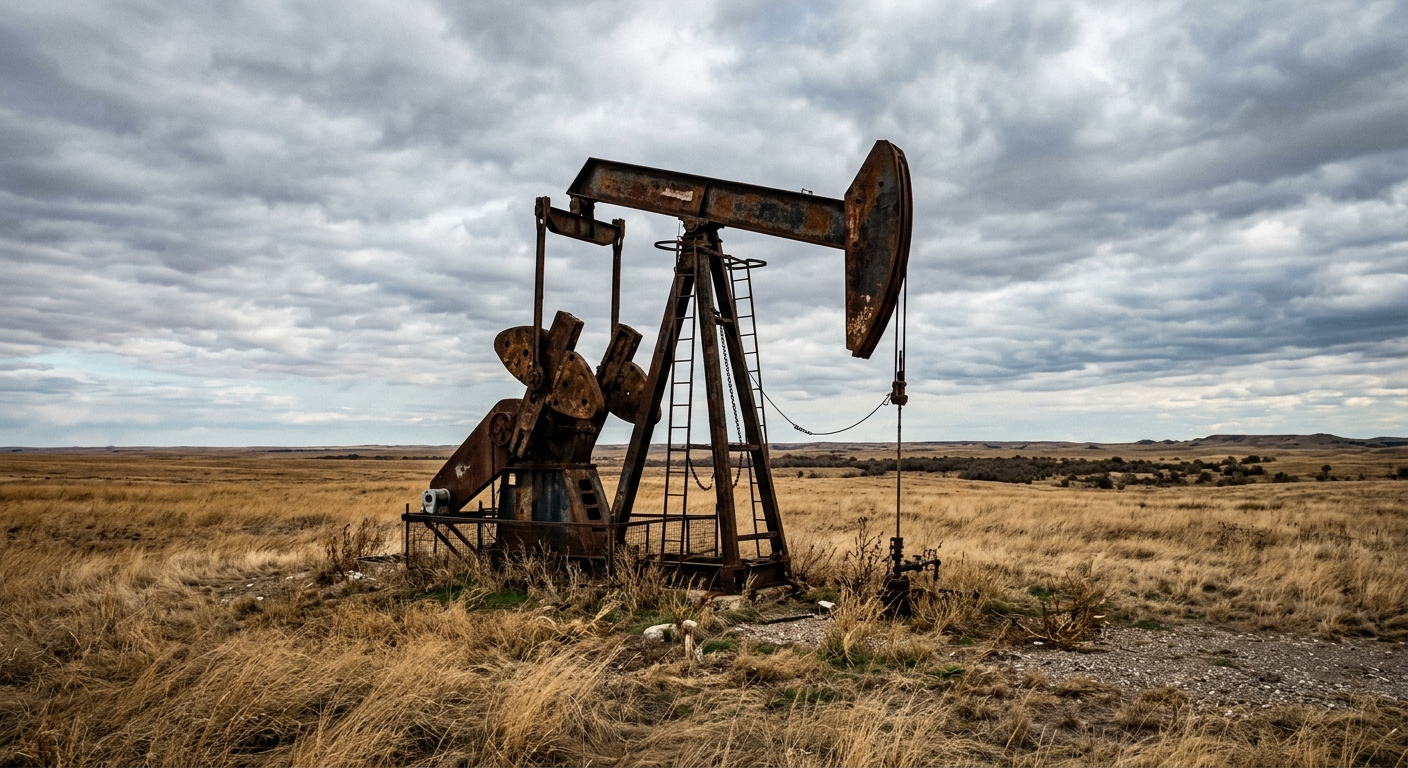
AI-generated illustration; not a photograph of the reported event.
- calendar_today November 20, 2026
Alberta Introduces Upfront Well Cleanup Legislation
Alberta has introduced new legislation requiring oil and gas companies to pay upfront for the eventual cleanup of wells they drill, a move intended to address the ongoing challenge posed by orphaned and inactive wells across the province. The initial reaction from landowner representatives has been cautious optimism, with several outstanding concerns remaining about implementation and enforcement.
How the Fund Will Work
The proposed legislation, part of a broader bill unveiled on November 19, 2026, would require companies to make an initial payment of up to $50,000 for each new well—drilled after April 1, 2027—followed by incremental annual payments over a ten-year period. These funds would remain attached to each well even with ownership changes, aiming to ensure that cleanup is ultimately funded regardless of shifting company portfolios.
Landowner and Advocate Reactions
Bill Heidecker, president of the Alberta Surface Rights Federation and a rancher near Coronation, Alberta, acknowledges that the legislation appears "good on paper," but expresses reservations about how the rules will function in practice. Heidecker notes ongoing challenges with both producing and inactive wells on his property, calling dealings with the industry a "constant headache." He emphasizes the need for better enforcement and questions whether existing laws have been adequately applied.
Heidecker also highlights a lack of clarity regarding cleanup obligations for energy infrastructure beyond wells, such as pipelines, and calls for detail on how cleanup costs will be calculated. Concerns include whether cost estimates will reflect today's expenses or future projections, and how multi-well sites will be handled. He points out that, historically, companies have prioritized simpler cleanups, leaving more challenging, costly wells unaddressed.
Landowners Demand Greater Accountability
The Alberta Surface Rights Federation recently sent a letter to Premier Danielle Smith outlining "profound dissatisfaction" with current energy policy and enforcement, urging landowners to withhold consent for new oil and gas development. Heidecker says that while the proposed fund is a step forward, significant issues remain, including the lack of firm cleanup deadlines, unpaid municipal taxes, and insufficient enforcement mechanisms.
Environmental Groups Weigh In
The Pembina Institute, an environmental think-tank, has offered qualified praise for the initiative. Amanda Bryant, oil and gas program manager at Pembina, calls the new rules "an important and positive step," but urges the government to set minimum thresholds for financial security. She advocates for additional measures such as enforceable timelines for well closure, fees on inactive wells, and increases to the orphan well levy to address the backlog of existing orphaned and inactive wells.
The Ongoing Orphan Well Challenge
Wells become "orphans" when their operating company goes bankrupt or is otherwise unable to fulfill cleanup obligations, transferring responsibility to the non-profit Orphan Well Association (OWA), which is funded by an industry levy. For the 2026-27 fiscal year, this levy stands at $154.56 million, while the OWA estimates total cleanup costs at $1.66 billion. Among current challenges: 7,328 wells are waiting to be decommissioned, and 9,258 sites require land reclamation, with per-well decommissioning and reclamation averaging more than $56,000 for 2025-26.
Heidecker’s group is currently involved in a lawsuit alleging chronic underfunding of the OWA, highlighting ongoing concern among landowners regarding environmental and health risks posed by improperly managed sites.
Government Perspective and Next Steps
Alberta's energy and minerals minister Brian Jean maintains that the fund should not negatively impact the industry, referencing the initial one percent cost of drilling applied up front with additional one percent annual contributions over a decade. Companies will unlock these funds upon reclamation, with compound interest accrued, and Jean describes the legislation as an innovative and "one-of-a-kind" approach.
Until the rules are finalized and enforced, both landowners and environmental groups remain vigilant, monitoring how the new Resource Asset Closure Assurance and Stewardship Fund will address Alberta’s well cleanup backlog and whether it can secure long-term industry accountability.
Source: cbc.ca.